The Foldable Reset: Why Wider Screens Could Finally Make Foldables Mainstream
Samsung's Galaxy Z Fold 8 launch and rumours surrounding Apple's first foldable suggest the industry could be heading towards a major design reset. As wider cover displays emerge as the next big trend, foldables are shifting from engineering showcases to practical everyday smartphones. Is this the moment the category finally goes mainstream?
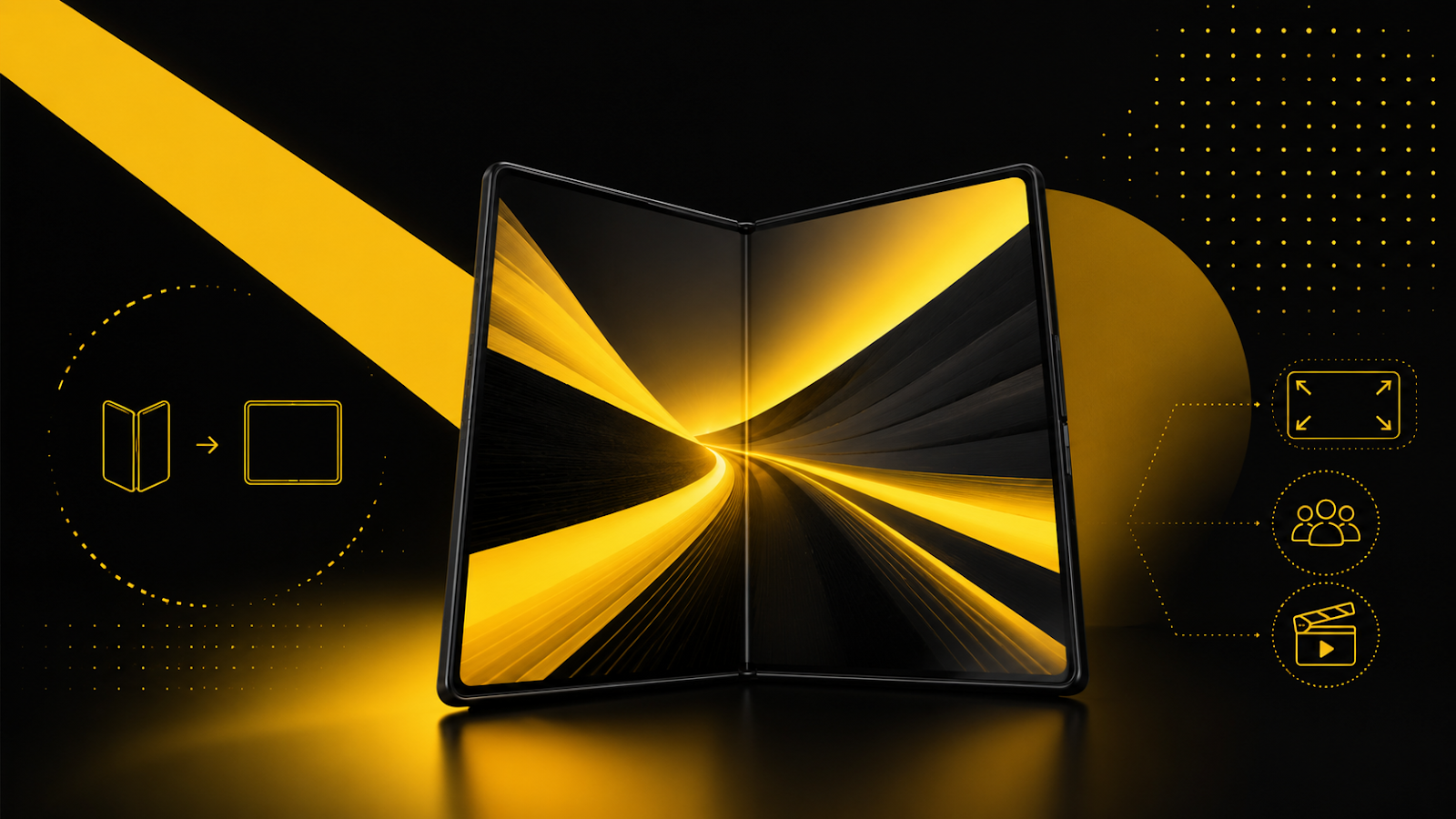
The foldable smartphone industry appears to be standing at an inflection point. After years of chasing thinner designs, stronger hinges and nearly invisible display creases, the conversation is no longer centred around engineering. Instead, manufacturers are asking a far more important question: what should a foldable actually feel like in everyday use? If recent speculation is to be believed, both Samsung and Apple may have arrived at the same answer—make the outer display wider.
Samsung is expected to unveil its next-generation foldables at Galaxy Unpacked tonight. While the company has not confirmed any details ahead of the event, multiple reports suggest the Galaxy Z Fold 8 could feature a wider cover display than its predecessor. At the same time, rumours surrounding Apple's long-awaited foldable iPhone—often referred to as the iPhone Fold or iPhone Ultra—also point towards a wider, more conventional smartphone-like design. It is important to emphasise that Apple's foldable remains entirely speculative at this stage, and Samsung's new hardware will only become official once it is announced during tonight's event.
If these rumours prove accurate, they would represent more than just another annual design refresh. They would signal that the industry's biggest players are moving away from the tall, narrow form factor that has largely defined book-style foldables since the category was born.
The End of the Tall and Narrow Foldable?
Ever since Samsung introduced the original Galaxy Fold in 2019, manufacturers have largely pursued one goal—make the folded device as compact as possible. The result was a series of smartphones with unusually tall and narrow outer displays. While they slipped easily into pockets, they often felt awkward during everyday use.
Typing messages required more precision than on a conventional smartphone. Browsing websites felt cramped. Watching videos left thick black bars. Even something as routine as replying to an email often encouraged users to unfold the device.
In many ways, the cover display became a secondary screen rather than the primary smartphone experience. The unfolded display was excellent, but users found themselves opening the phone for tasks that should have taken only seconds.
A wider cover display changes that equation entirely. It allows the folded phone to behave like a regular flagship smartphone while preserving the productivity benefits of a tablet when unfolded. Instead of forcing users to unfold the device, it gives them the choice.
That subtle shift in philosophy could end up becoming the biggest design change the foldable industry has seen in years.
Microsoft Tried This Years Ago
Ironically, the concept isn't entirely new.
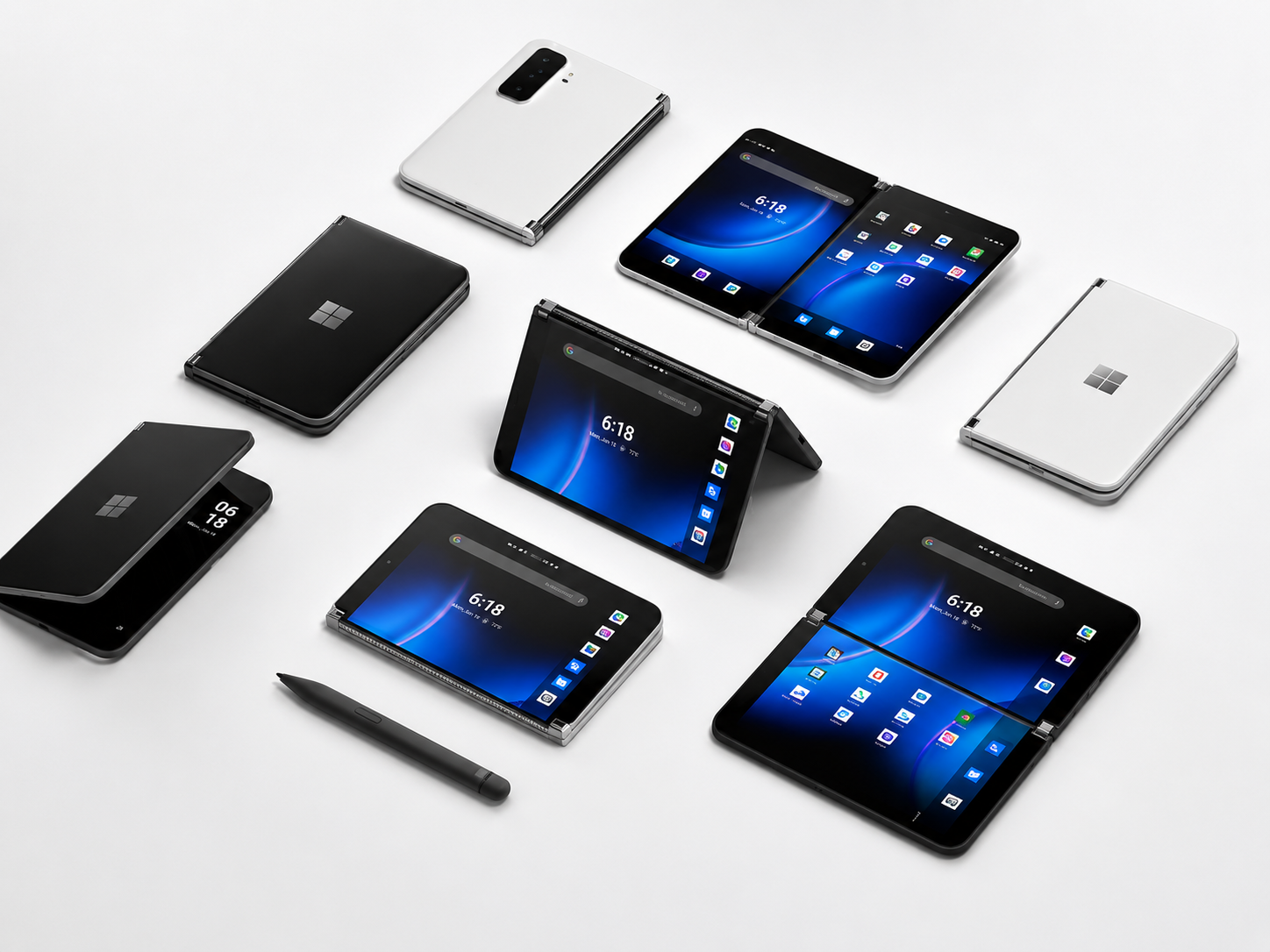
Years before today's rumours surrounding Samsung and Apple, Microsoft attempted something remarkably similar with the Surface Duo. Rather than designing a tall smartphone that unfolded into a tablet, Microsoft built a wider, passport-style device that prioritised multitasking and productivity.
The idea itself wasn't the problem.
The timing was.
Android wasn't ready for dual-screen devices, app optimisation was inconsistent, and consumers struggled to understand where the Surface Duo fit into their daily lives. The hardware demonstrated genuine innovation, but the software ecosystem simply couldn't support Microsoft's vision. Eventually, Microsoft exited the smartphone hardware market, leaving the Surface Duo as an ambitious experiment rather than the future of mobile computing.
Today's landscape is very different. Flexible OLED displays are significantly more mature. Hinges are thinner and stronger. Mobile processors have become dramatically more powerful, and software has evolved to better support larger displays and multitasking. If Samsung and Apple are indeed embracing wider foldables, they are not copying Microsoft's execution—they are revisiting an idea that may finally be ready for mainstream consumers.
Foldables Are Finally Growing Up
Perhaps the biggest transformation isn't happening in hardware but in the industry's mindset.
The first generation of foldables existed to prove that flexible displays worked. Every launch focused on engineering achievements—the hinge, the ultra-thin glass, the crease and the durability ratings. Manufacturers were selling innovation itself.
That phase appears to be ending.
Consumers no longer care simply because a phone folds. They care whether it improves the experience of using a smartphone.
This is exactly how successful technologies evolve. Nobody buys a laptop because its hinge opens to 180 degrees. Nobody buys a smartwatch because it has curved glass. Likewise, consumers won't buy foldables forever simply because the display bends.
They'll buy them if they become better smartphones.
That transition—from technological showcase to practical everyday device—is perhaps the strongest indication that the category is maturing.
Are Foldables Finally Becoming Mainstream?
Not yet.
But they're considerably closer than they were just a few years ago.
Pricing remains the biggest obstacle. Book-style foldables continue to occupy the ultra-premium segment, placing them beyond the reach of many consumers. Questions around long-term durability also persist despite enormous improvements in hinge engineering and display protection.
However, the category is quietly solving many of its biggest weaknesses.
Foldables have become thinner. They're lighter than ever before. Display creases are becoming less noticeable. Software has improved dramatically, especially when it comes to multitasking and app continuity. Battery life has also reached a point where users no longer feel they are sacrificing endurance for innovation.
Most importantly, manufacturers are beginning to converge on a design philosophy that prioritises usability over novelty.
That's usually what happens just before a product category reaches wider adoption.
Why Apple's Entry Matters Even Before Launch
Apple hasn't announced a foldable iPhone. It hasn't confirmed the existence of one either. Everything surrounding the so-called iPhone Fold or iPhone Ultra remains based on industry reports, supply-chain leaks and analyst predictions. Yet Apple's presence is already influencing the market. For years, display manufacturers, hinge suppliers and smartphone competitors have been preparing for Apple's eventual arrival. The company has a history of entering product categories only after the technology has matured, and when it does, customer expectations tend to shift overnight.
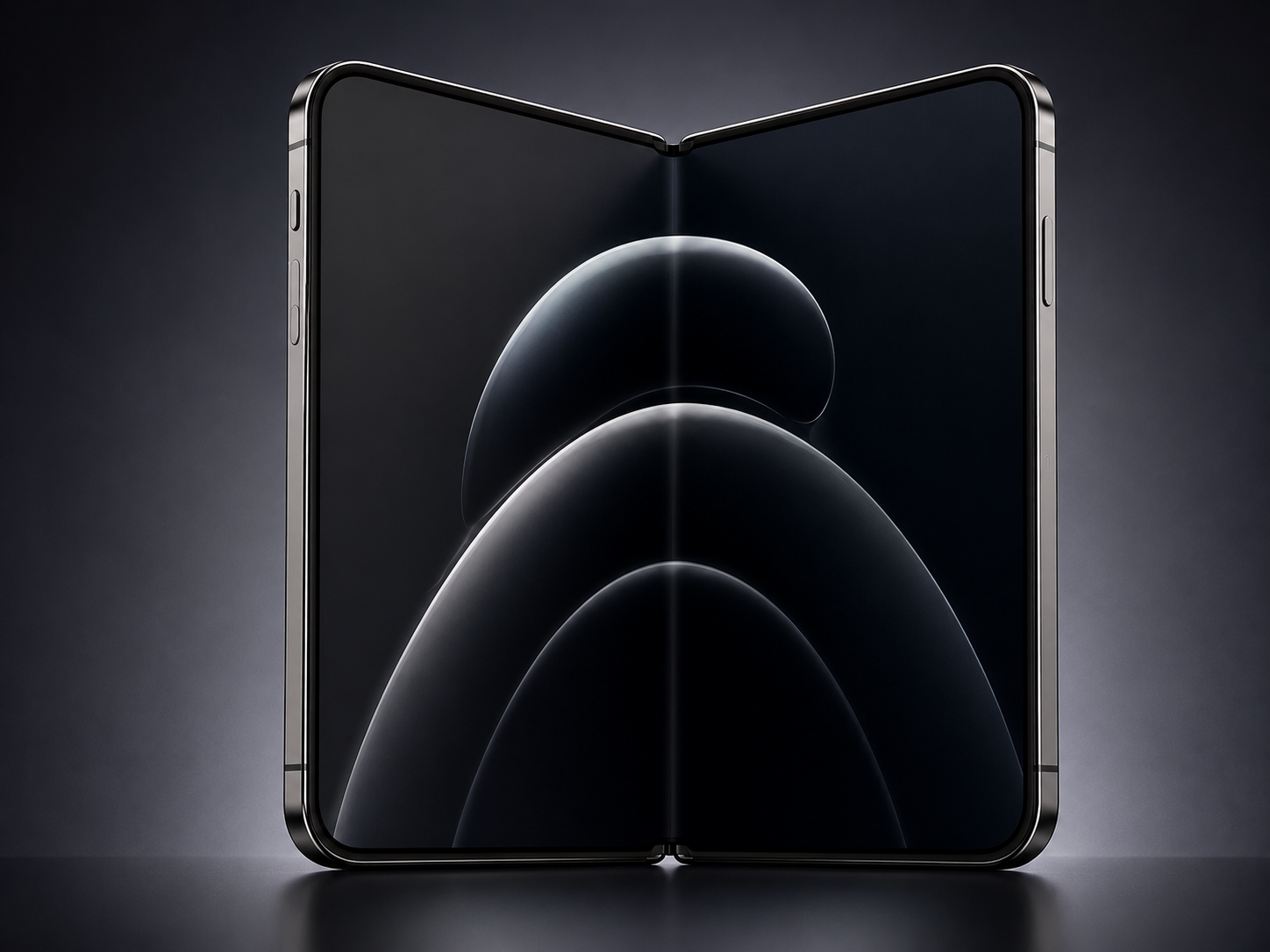
If Apple's first foldable indeed adopts a wider cover display, it would reinforce the idea that the industry has collectively settled on what consumers actually want from a folding smartphone.
Samsung, meanwhile, has an opportunity tonight to demonstrate that it still intends to define the category it created.
What Consumers Should Expect
Consumers should temper expectations.
A wider Fold will not suddenly make conventional smartphones obsolete, nor will foldables immediately become affordable to everyone.
Instead, users should expect gradual refinement rather than revolutionary change.
Future foldables are likely to feature wider cover displays that feel more natural, slimmer designs that reduce bulk, stronger hinges, better battery life and software experiences that make switching between phone and tablet modes almost effortless.
Artificial intelligence will undoubtedly play a role in future foldables, but the most meaningful improvement may simply be that users no longer need to think about the folding mechanism at all.
When technology disappears into the background, that's usually when it succeeds.
Verdict: The Second Chapter of Foldables Begins
The foldable smartphone industry appears to be entering its second chapter.
The first was about proving that folding displays were possible.
The second is about proving they're genuinely better.
If the rumours surrounding Samsung's Galaxy Z Fold 8 and Apple's future foldable are accurate, wider displays won't merely represent another hardware tweak. They will signal a philosophical reset across the industry—a recognition that consumers don't want a phone that constantly reminds them it's different. They want one that feels familiar when closed and extraordinary when opened.
Microsoft recognised the value of wider mobile productivity years ago but arrived before the ecosystem was ready. Samsung now has the opportunity to refine that vision using vastly superior hardware, while Apple seems poised—at least according to speculation—to embrace a remarkably similar direction.
Whether Samsung confirms these rumours tonight remains to be seen, and Apple's foldable ambitions remain entirely speculative until the company officially reveals its plans. But one thing is becoming increasingly clear. The future of foldables may not be about folding at all. It may simply be about building a smartphone that feels completely normal—right up until the moment it unfolds into something far more capable.
And if that's where the industry is headed, foldables may finally be on the verge of becoming truly mainstream.