Apple TV 4K Finally Gets a Major Upgrade: Why It Took So Long and Who Needs It Now
Apple has finally upgraded the Apple TV 4K with the A19 chip, Siri AI and enhanced smart home features. But with smart TVs offering built-in streaming, is Apple's ₹39,900 streaming box worth buying in 2026?
Apple’s new streaming box brings the A19 chip, Siri AI and expanded smart home capabilities. But with smart TVs getting smarter and cheaper streaming devices widely available, does the Apple TV 4K justify its ₹39,900 price tag?
For a product that sits at the centre of Apple’s entertainment ecosystem, the Apple TV has gone an unusually long time without a major hardware refresh. Now, Apple is giving its streaming box a new processor, AI-powered content discovery, hands-free voice controls and a bigger role in the connected home. The question is whether these changes are enough to make a dedicated streaming device relevant in 2026.

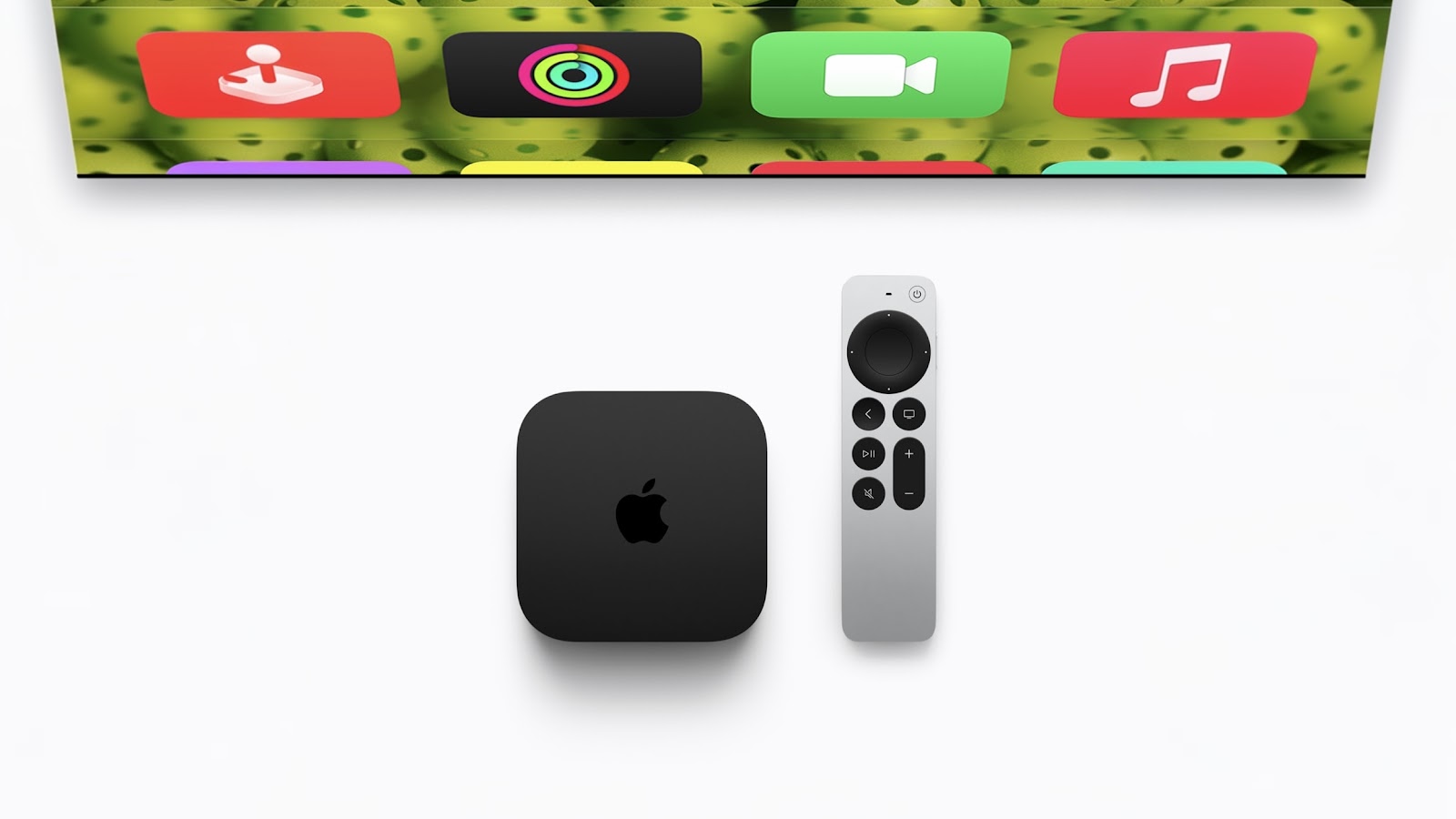
Announced on October 13, the new Apple TV 4K is powered by Apple’s A19 chip and introduces a redesigned Siri AI experience alongside built-in microphones, enhanced audio capabilities and expanded smart home features. Priced at ₹39,900 in India, it is a premium alternative to the streaming platforms already built into modern televisions. The timing is interesting. Apple last refreshed the Apple TV 4K hardware in 2022, yet its previous models have remained perfectly capable of streaming films, running popular applications and delivering a smooth viewing experience. Unlike smartphones, streaming devices do not necessarily become obsolete every few years. Once the basics work well, consumers have little reason to upgrade.
That helps explain Apple’s long wait. With smart TVs, affordable streaming sticks and competing platforms offering much of the same functionality, a faster processor alone would not have given consumers a compelling reason to buy a new Apple TV. Apple needed to make the device more useful, rather than simply more powerful. Its latest strategy is to turn the Apple TV from a streaming box into an intelligent entertainment and smart home hub.
Siri AI could change how we find something to watch
The biggest change may not be the hardware but how users interact with it. The new Apple TV 4K features the A19 chip, which Apple claims delivers up to 50 per cent faster CPU performance and up to twice the GPU performance compared with the previous generation. A dedicated AV1 decoder is also designed to improve video-streaming efficiency. These upgrades should benefit navigation, animations and supported games, but the difference may be less noticeable when watching a film or television show. Siri AI, on the other hand, could address a more familiar frustration: finding something worth watching across an increasingly crowded collection of streaming services.
Apple is introducing a conversational Siri experience that lets users ask questions in natural language, explore recommendations and follow up with additional queries. With an Apple Intelligence-enabled iPhone, supported requests can also draw on personal context, such as finding a show recommended by a friend. The idea is to spend less time scrolling through menus and more time watching content. Instead of remembering a title or navigating individual applications, viewers could describe what they want and let Siri help narrow down the options.
Its success, however, will depend on how accurately Siri understands requests and how well it works across supported services. AI-powered search is only useful if the recommendations are relevant and the assistant can reliably find what users are looking for. There is also an important consideration for existing owners. Apple says Siri AI will be available as a beta on Apple TV 4K models from the second generation onwards, subject to supported markets and English-language availability. This means the new software experience will not necessarily be exclusive to the latest hardware, making the upgrade less urgent for some existing users.
Hands-free controls and HomePod audio add to the experience
The new Apple TV 4K includes three far-field microphones, allowing users to speak to Siri without picking up the remote. Echo-cancellation technology is designed to distinguish voice commands from background audio, making it possible to interact with the device even while content is playing. Apple is also adding Find My support to the Siri Remote, including Precision Finding and the ability to play a sound to locate it. These are practical improvements, although neither is likely to be a decisive reason to upgrade on its own.
Audio offers a more distinctive proposition. The new model supports a four-speaker surround sound configuration using compatible HomePod speakers, with automatic calibration of audio timing and levels based on speaker placement. For users who already own compatible HomePods, this could offer a convenient way to build a more immersive home theatre setup. The catch is cost. Buying multiple speakers alongside a ₹39,900 streaming box can make the overall setup considerably more expensive than a conventional soundbar. The feature is therefore most attractive to people who are already invested in Apple’s audio ecosystem.
Apple wants the Apple TV to control your home, too
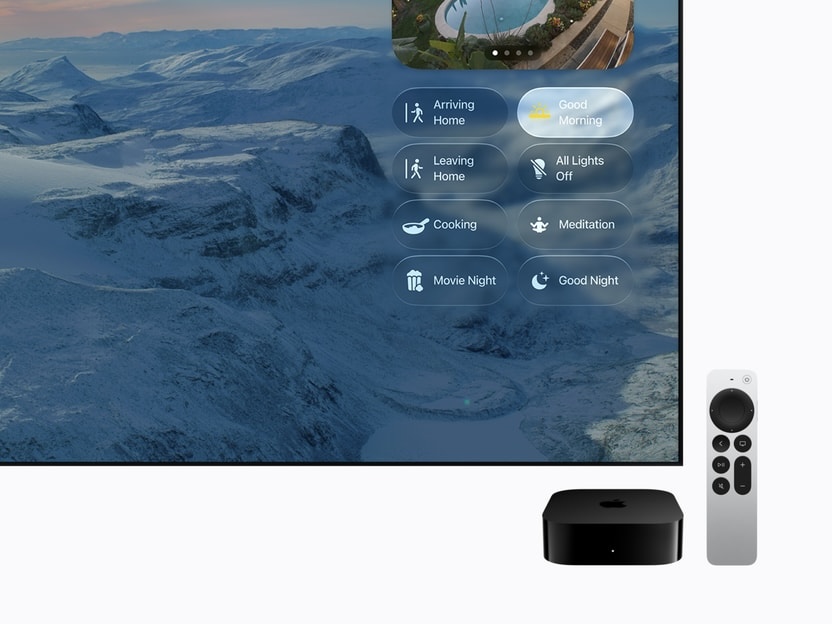
The device’s other major role is as a hub for Apple’s connected home. It can connect compatible smart home accessories, support automations and work with Thread-enabled devices. With compatible doorbells and cameras, users can receive notifications on their television and interact with supported accessories without leaving the viewing experience.

HomeKit Secure Video features can also provide camera activity descriptions and summarised notifications powered by Apple Intelligence. These capabilities become more relevant as Apple expands its smart home portfolio, including products such as the Apple HomeView smart home display and HomePod mini 2. The strategy is straightforward: Apple wants its devices to work together, with the television becoming another interface for managing the home rather than just a screen for entertainment. Privacy is part of that proposition. Apple says microphone processing uses Secure Exclaves, while Siri AI can rely on on-device processing or Private Cloud Compute. The company says requests handled through Private Cloud Compute are not stored or made accessible to Apple, while HomeKit Secure Video footage remains end-to-end encrypted.
However, the benefits are most compelling for households that already use compatible Apple devices and accessories. Consumers who rely on a mix of Google Home, Amazon Alexa and other smart home platforms may find less value in Apple’s approach.
Who actually needs an Apple TV in 2026?
For existing Apple users, the new Apple TV 4K could be a natural extension of the devices they already own. Integration with the iPhone, Apple TV+, HomePods, iCloud Photos and compatible smart home accessories gives it a broader purpose than simply streaming video.
It could also make sense for people with older smart TVs that have slow interfaces, limited application support or outdated software. A dedicated streaming device can improve the experience, although the difference depends on the television being replaced or supplemented. Home theatre enthusiasts may appreciate the 4K streaming capabilities and HomePod audio options, while smart home users could benefit from having entertainment and accessory controls in one place.
But if your television already runs smoothly, supports your preferred streaming services and offers reliable voice controls, the Apple TV may add little to your everyday experience. People who mainly watch Netflix, YouTube and Prime Video without using Apple’s wider ecosystem may find that an affordable streaming stick or their television’s built-in software does everything they need. This is where the ₹39,900 price becomes difficult to ignore. Apple is selling an integrated experience rather than just streaming hardware, and that experience is worth more to some households than others. For someone who already owns compatible HomePods and uses Apple’s smart home platform, the price may be easier to justify. For a casual viewer, it is a substantial premium for features they may rarely use.
The bigger question: Is a dedicated streaming box still necessary?
The new Apple TV 4K reflects a challenge facing the entire streaming device category. As smart televisions become more capable, dedicated boxes need to offer something beyond access to familiar applications. Apple’s answer is a combination of AI-powered content discovery, hands-free interaction, home theatre audio and smart home control. The A19 chip provides a stronger hardware foundation, but the more important test will be whether Siri AI and the wider ecosystem make the device noticeably more useful in everyday life.
For existing Apple users and connected-home enthusiasts, the new model could be a meaningful upgrade. For everyone else, modern smart TVs and cheaper streaming devices remain compelling alternatives. After years of waiting, Apple has given its streaming box a more ambitious purpose. Whether that makes the Apple TV 4K worth ₹39,900 depends less on how powerful it is and more on how much of Apple’s ecosystem you want in your living room.