The Infinix Note 60 Pro combines an iPhone-inspired design with a smooth 144Hz AMOLED display, strong battery life, and reliable performance. While its hardware impresses, bloatware-heavy software and average low-light cameras hold it back, making it a decent but not standout mid-range option.
It is not new that some smartphone brands tend to mimic design languages from either Apple’s iPhone, Samsung’s Galaxy flagships, or even Google’s Pixel devices, but some brands take it a step ahead and make their smartphones look very similar to the more popular iPhones. This year, after the Xiaomi 17 Pro Max, Infinix joins the list with its latest Infinix Note 60 Pro. Although it is unethical to mimic another smartphone, there is still a niche market for smartphones that look like a more expensive iPhone 17 Pro Max, especially because of the imaginary social value that the latest iPhone adds for some consumers. This iPhone 17 Pro Max lookalike has quite a few features that shine on its spec sheet, but do they translate into real-world convenience? Let’s walk you through them in this review.
Price & Specifications
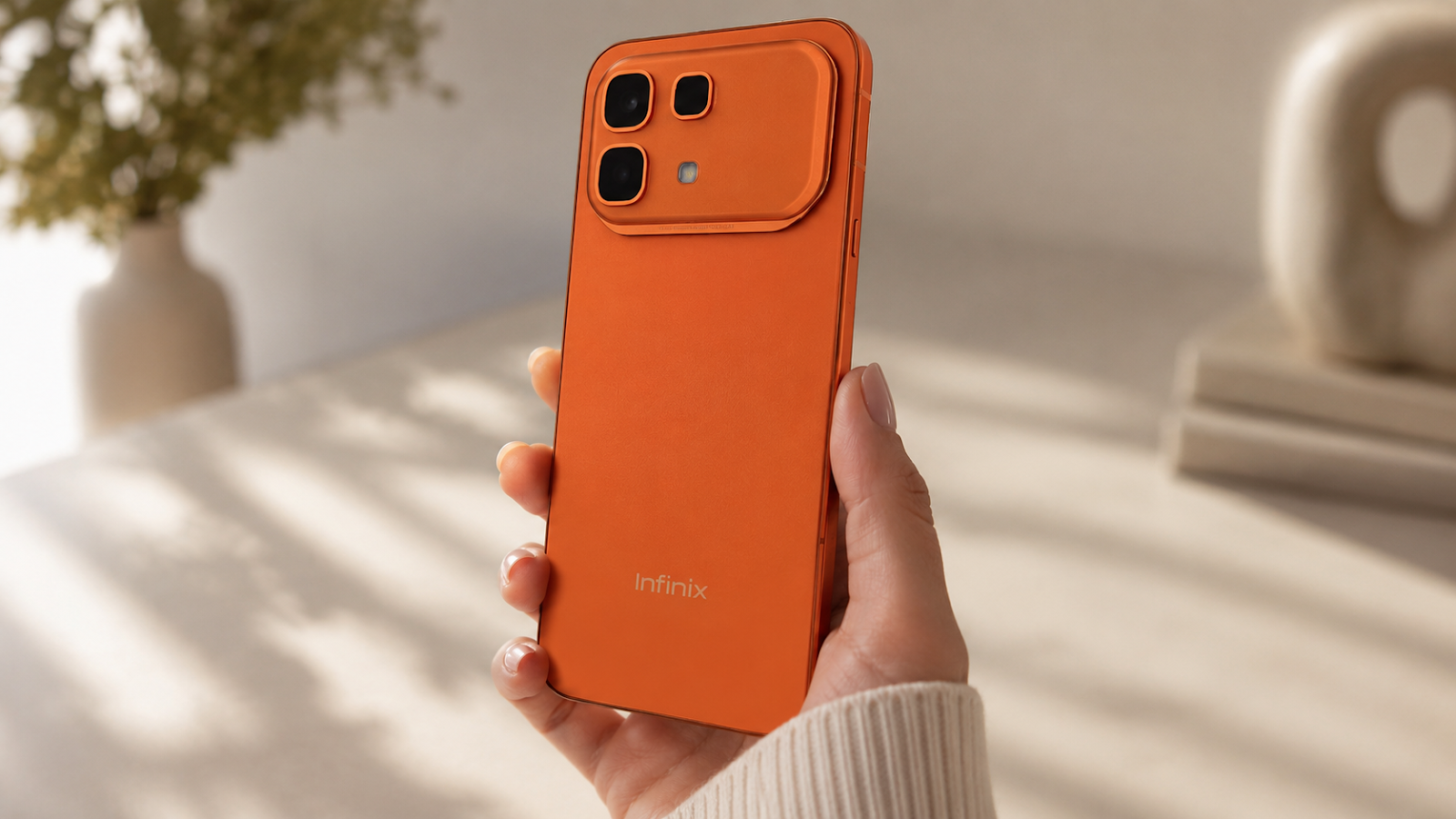
The Infinix Note 60 Pro comes with a starting price of Rs. 31,999 for the base 8GB RAM and 128GB storage variant and is priced at Rs. 34,999 for the higher-end 8GB RAM and 256GB storage variant. The brand is also offering a wireless speaker and a MagSafe lookalike case bundled with the retail package. It is available in three colour options: Deep Ocean Blue, Mocha Brown, and the iPhone 17 Pro Max lookalike Solar Orange. The smartphone is powered by the Qualcomm Snapdragon 7s Gen 4 SoC, uses a 144Hz 6.78-inch AMOLED display, and runs on a 6500mAh battery. It uses a 50-megapixel triple camera setup that can record videos at up to 4K 30fps.
Design & Build Quality
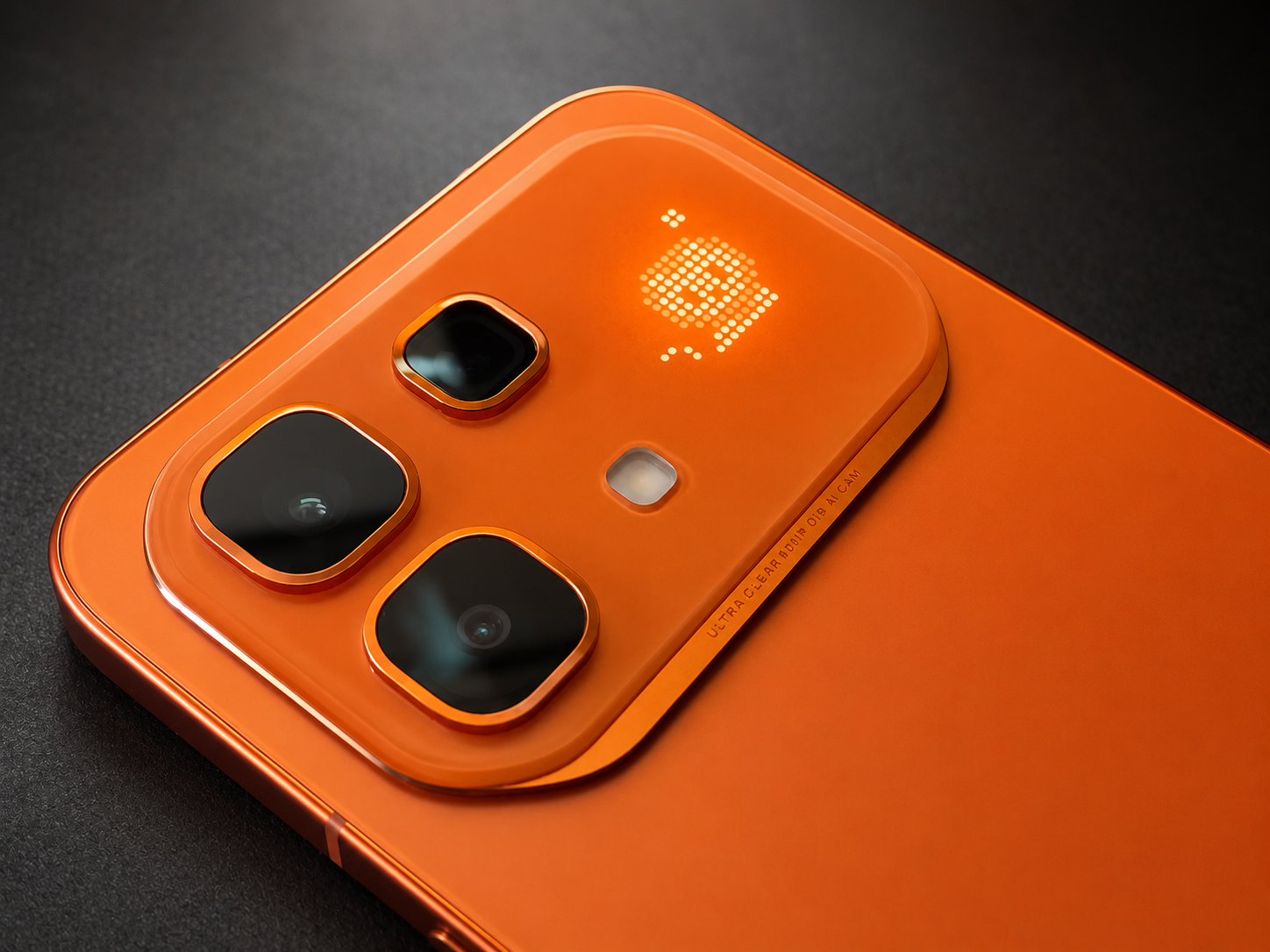
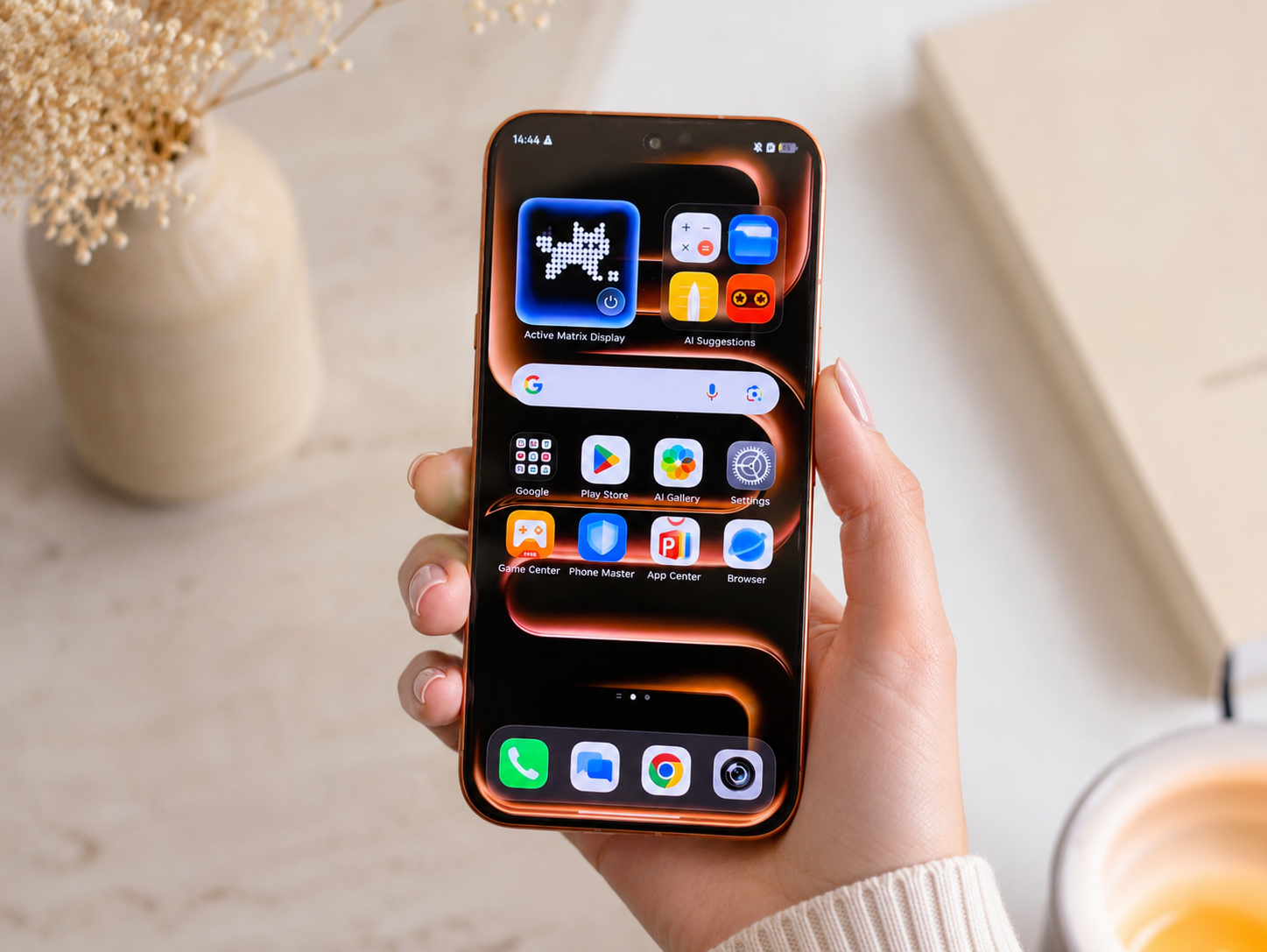
The Infinix Note 60 Pro, with its aluminium sides, has a premium in-hand feel. The button layout is exactly the same as the iPhone 17 Pro Max, with the power key and volume buttons on the right, along with a camera slider lookalike cutout that acts as a heart rate sensor here. It also has an Action Button-like key on the left that can be used to put the smartphone in silent mode. The back panel is matte-finished and has a camera module that covers two-thirds of the back panel. It is glossy, with the dual rear camera setup along with a flash. At the top of the smartphone are the speakers with JBL branding and an IR blaster. At the bottom of the smartphone, it has a USB Type-C port, microphone, speaker grille, and the SIM slot. The smartphone does not have a microSD slot, so you will have to stick with the onboard storage. One addition to this smartphone is an ‘Active Matrix Display’ that mimics what Nothing has done with its Nothing Phone 4(a) Pro but offers less functionality.
Display
Mid-range smartphones aren’t expected to have the best displays, but this one is sharp enough to be considered. The 6.78-inch 144Hz AMOLED display delivers decent colours, and the outdoor brightness too is unexpectedly good. I used it in direct sunlight multiple times, and the experience didn’t degrade at all.
Software & Performance
I have not been a fan of Infinix’s XOS ever since I got my hands on it, especially because of the pre-installed apps on the phone, and this year the brand has taken it a notch further by imitating the ‘Liquid Glass’ design and adding an iPhone 17 Pro Max wallpaper to the phone. The phone still has a lot of bloatware. Some apps can be deleted, while some cannot be uninstalled, which makes the entire UI feel laggy, and the 144Hz refresh rate doesn’t help at all. On the performance front, the smartphone runs on Qualcomm’s Snapdragon 7s Gen 4 SoC, which on paper is a notch below the flagship Snapdragon chip, but the difference is quite noticeable. Gaming on this smartphone is decent. The smartphone doesn’t overheat even when I played AAA games like Red Dead Redemption Netflix Edition, though the game did lag a few times. The smartphone uses a 6500mAh battery that lasts for almost a day and a half with mixed usage, which can consist of light gaming, shooting some videos, and using social media occasionally. Heavy users can expect to drain the battery after a screen-on time of about 10 hours. It comes with a bundled 90W charging adapter with a Type-C cable and can be charged to 100% in about one hour and twenty minutes.
Cameras
The Infinix Note 60 Pro offers a dual rear camera setup that includes a 50-megapixel primary camera and an 8-megapixel ultrawide camera. The pictures come out decently sharp using the primary camera, saturation levels are balanced, and the dynamic range is also decent. Ultrawide is where the smartphone feels like a mid-range smartphone and falls apart. The images from the ultrawide camera are distorted and softer. Night-time images have a lot of noise in them, and in many scenarios, the images are not usable at all. Though it can shoot 4K videos at up to 30fps, the videos only come out usable when shot in broad daylight. For the front camera, the smartphone uses a 13-megapixel sensor, and the story remains the same here too. Daylight shots come out just fine, but as you start shooting in low light, the image quality degrades.
Verdict The Infinix Note 60 Pro gets a lot of things right with its strong battery life, vibrant display, and reliable performance that can handle demanding games with ease. However, its heavy-handed iPhone-inspired design and bloatware-filled XOS 16 software make it harder to recommend at its starting price of Rs. 31,999. If you can look past the imitation and live with the cluttered software experience, the Note 60 Pro still delivers solid value as an all-round mid-range smartphone.
Tizona Tech Rating: (8/10)