Motorola Signature Review: More Than a Smartphone, It’s an Ownership Experience
The Motorola Signature combines flagship-grade performance, a versatile camera system, premium design and seven years of software support. But what truly sets it apart is Motorola’s focus on the ownership experience, with exclusive lifestyle benefits and concierge services bundled alongside the hardware.
The premium smartphone segment has become increasingly predictable. Every brand promises a better camera, faster performance, brighter displays, and smarter AI. Motorola’s new Signature smartphone enters this crowded space with all of those ingredients, but it also brings something unusual to the table: an attempt to redefine what owning a flagship device feels like.
Starting at an effective price of ₹54,999, the Motorola Signature packs flagship-grade hardware, a DXOMARK Gold-certified camera system, Snapdragon’s latest flagship processor, seven years of software support, and an exclusive Signature Club membership designed to extend the experience beyond the smartphone itself. The question is whether all of this adds up to something genuinely different.
Design: Slim, Light and Surprisingly Tough
The first thing you notice about the Motorola Signature is how remarkably thin and light it feels. At just 6.99mm thick and weighing 186g, it stands out in a market where flagship phones are becoming increasingly bulky.
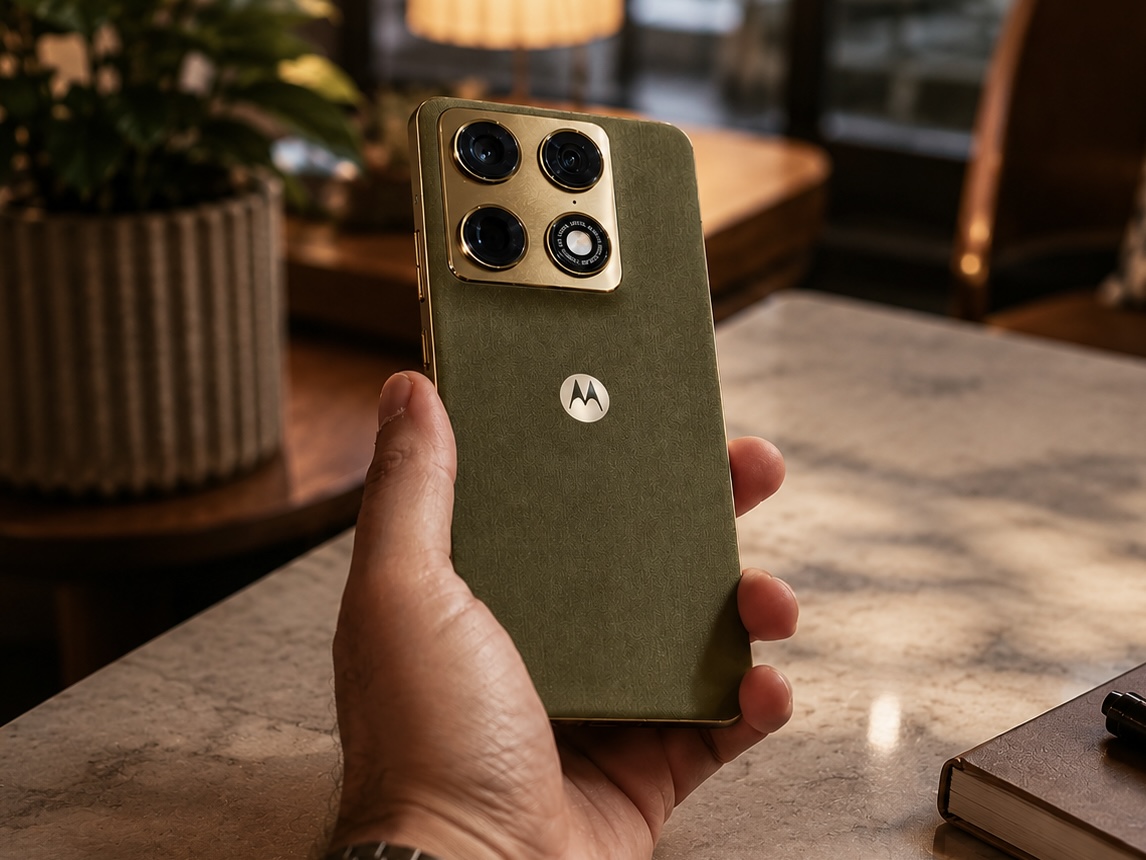
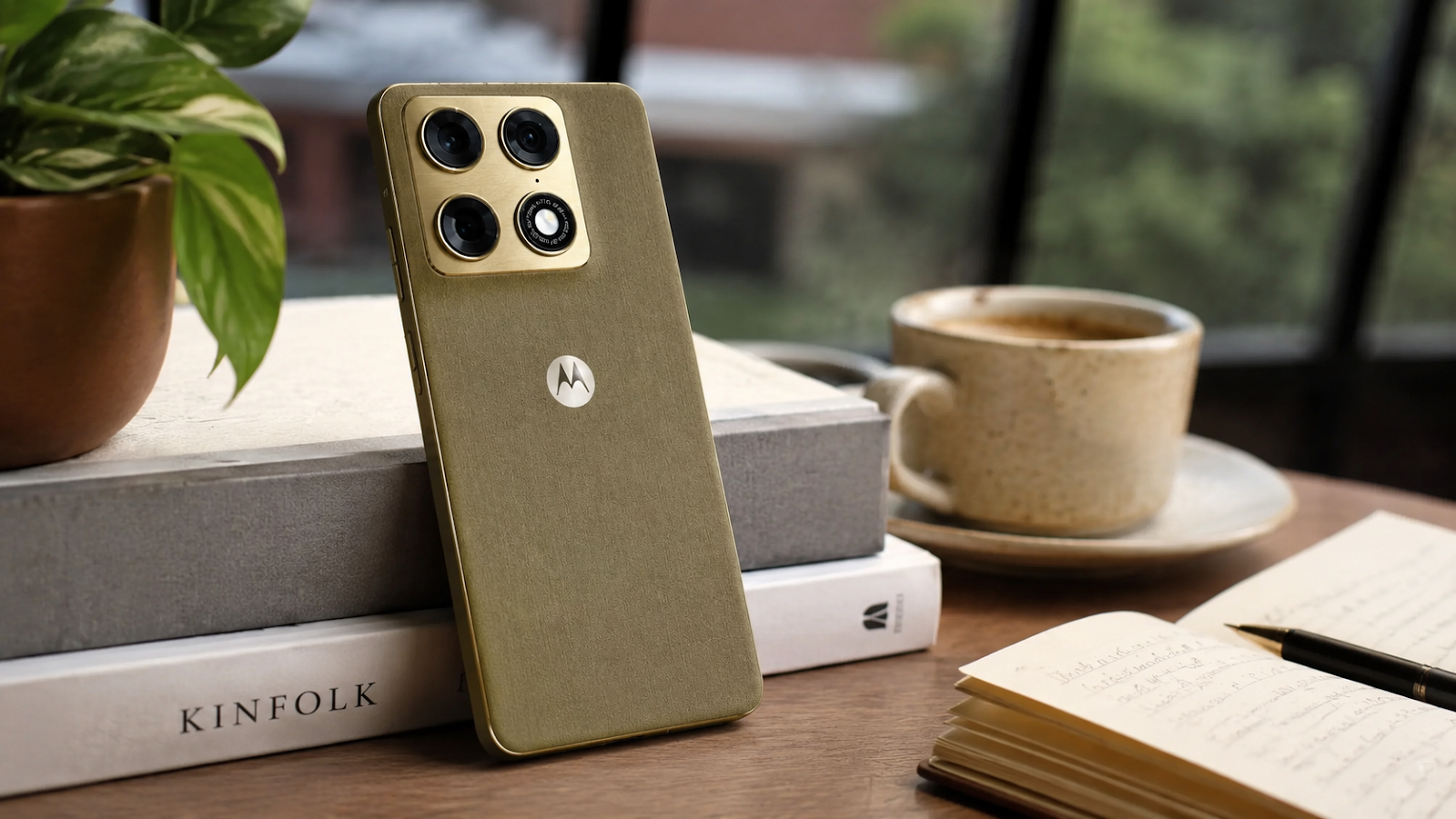
Motorola has paired an aircraft-grade aluminium frame with unique textile-inspired finishes available in Pantone Martini Olive and Pantone Carbon. The result is a device that feels premium without relying on the familiar glass-sandwich formula. Despite its slim profile, the Signature comes with MIL-STD-810H certification alongside IP68 and IP69 ratings, making it one of the rare smartphones that successfully combines elegance with durability.
Display: Flagship Through and Through
Up front sits a 6.8-inch 1.5K AMOLED display with a 165Hz refresh rate, LTPO technology, Dolby Vision, HDR10+, Pantone validation and a claimed peak brightness of 6,200 nits.
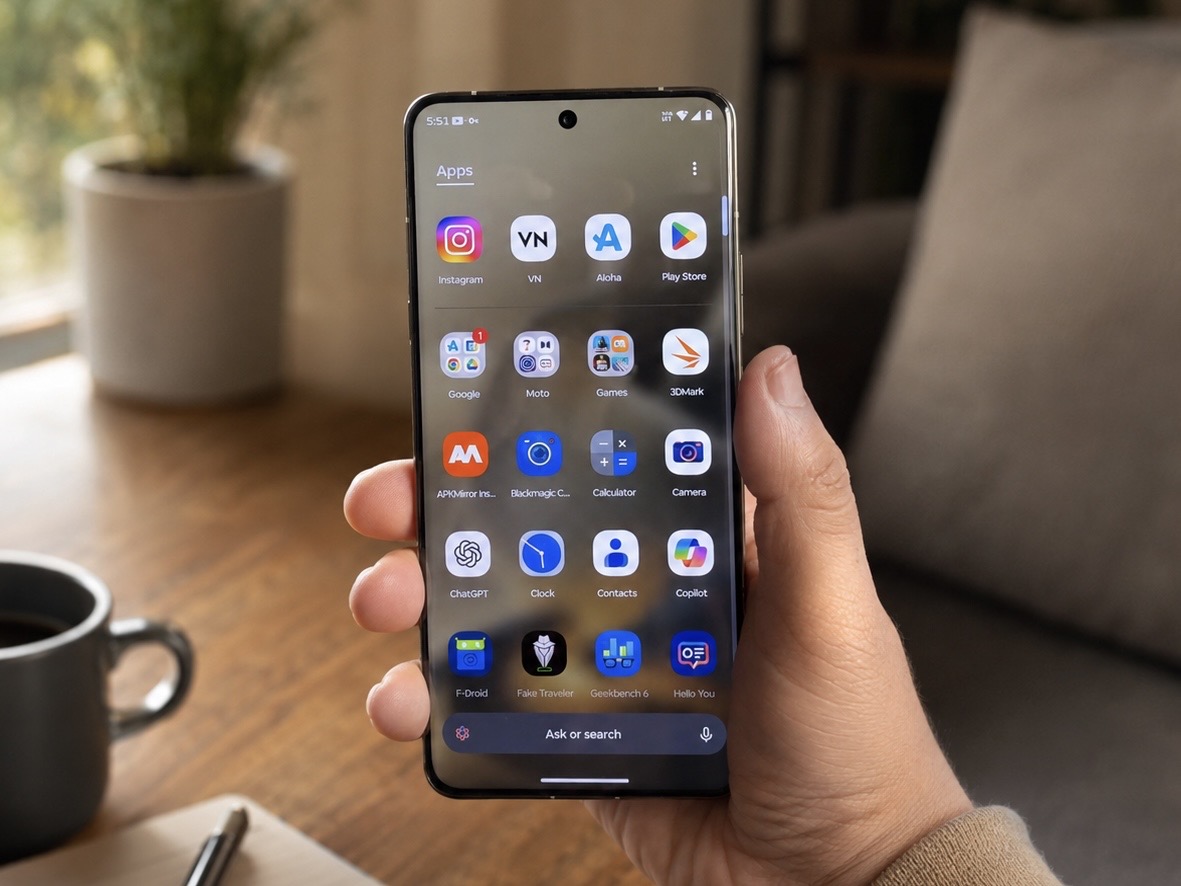
While peak brightness figures are often measured under specific conditions, the overall package is undeniably flagship-grade. The display feels sharp, vibrant and fluid whether you’re gaming, streaming content or simply scrolling through social media. Outdoor visibility is particularly impressive, with colours remaining punchy and legible even under harsh sunlight.
Cameras: Motorola’s Biggest Statement Yet
The camera system is where Motorola appears most determined to make a statement.
The Signature features a triple 50MP Sony LYTIA setup comprising a 50MP primary sensor with OIS, a 50MP periscope telephoto camera with 3x optical zoom and OIS, and a 50MP ultra-wide lens that doubles as a macro camera. Up front, users get a 50MP autofocus selfie camera.
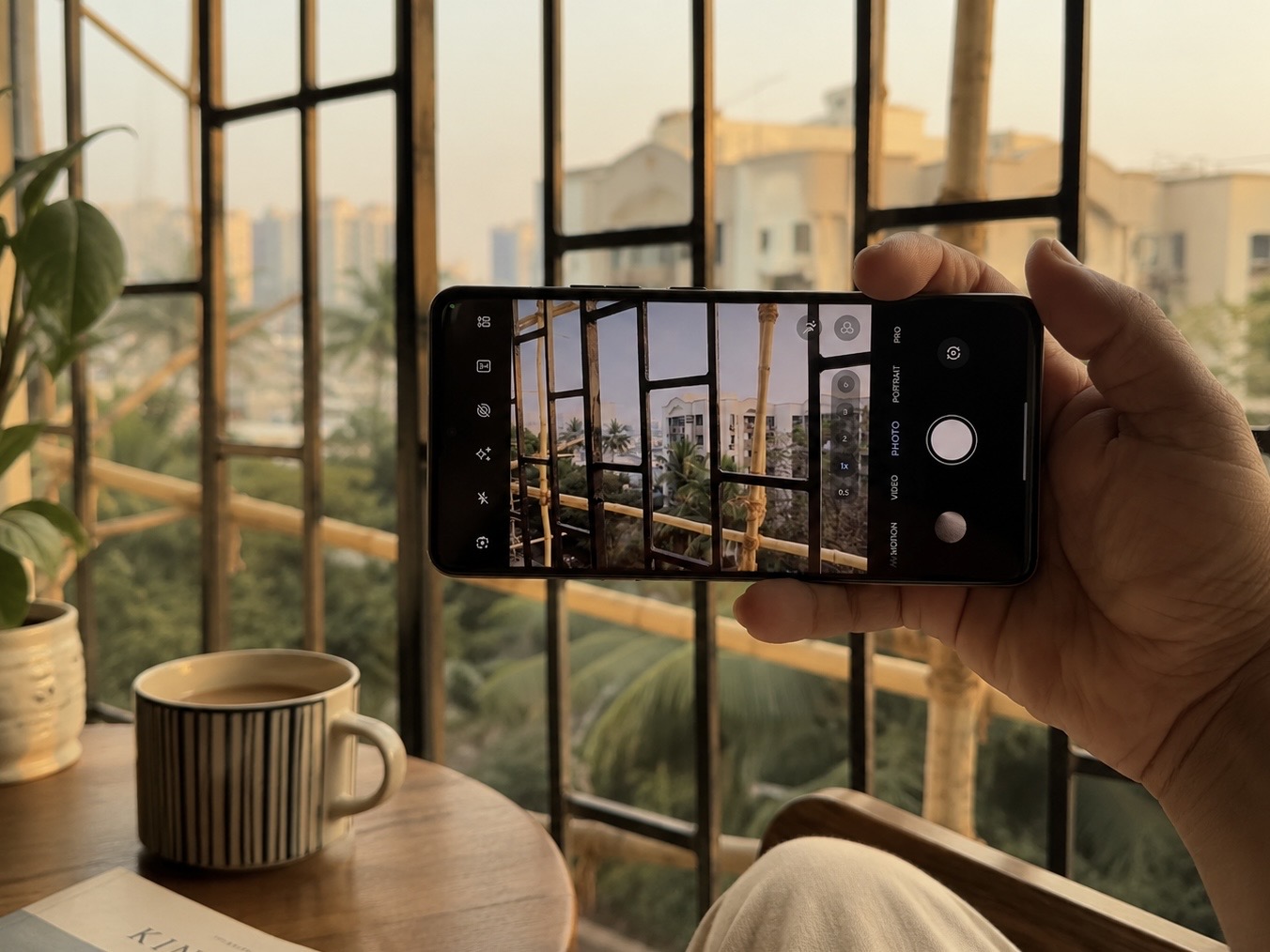
Support for 8K Dolby Vision recording, Pantone-validated colours and skin tones, and a dedicated multispectral light sensor suggests Motorola is focusing heavily on image consistency rather than simply chasing megapixel numbers. During our time with the device, zoomed-in shots retained an impressive amount of detail, while colour reproduction appeared natural and balanced across different lighting conditions.
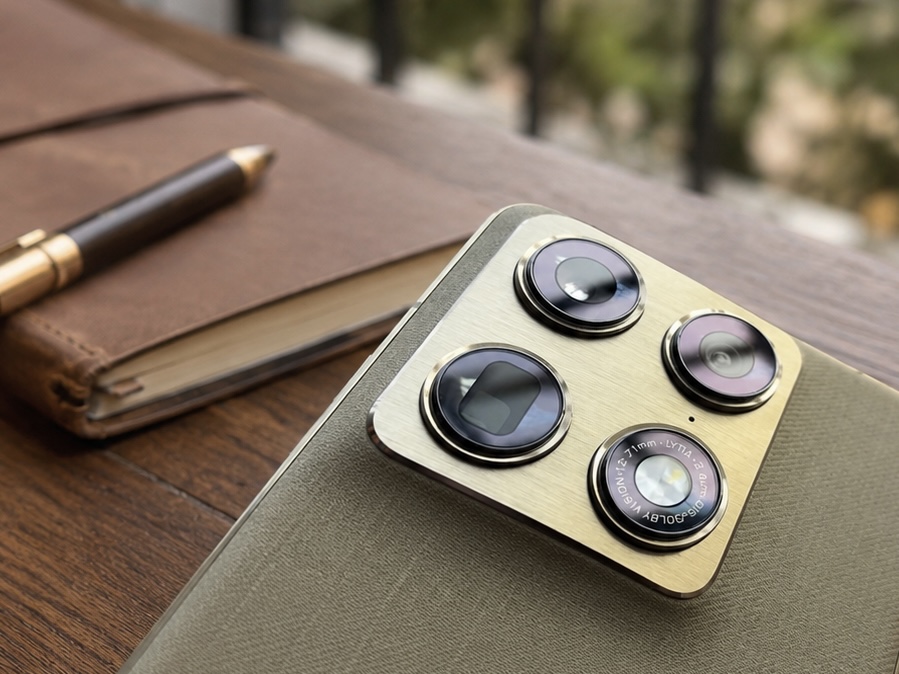
Motorola has also integrated a range of AI-powered photography tools, including Action Shot, Group Shot and Signature Style, aimed at making photography smarter and more effortless for everyday users.
Performance: Built for Power Users
Under the hood, the Motorola Signature is powered by the Snapdragon 8 Gen 5 processor paired with up to 16GB LPDDR5X RAM and up to 1TB of UFS 4.1 storage.
Combined with an advanced vapour chamber cooling system, the phone is built to handle demanding workloads ranging from extended gaming sessions to intensive camera usage. Connectivity is equally future-ready, with support for Wi-Fi 7, Bluetooth 6, USB 3.2 and extensive 5G compatibility.
On paper, there is very little missing from the performance package.
Battery and Charging
Powering the device is a 5,200mAh silicon-carbon battery with support for 90W wired charging, 50W wireless charging, wired reverse charging and wireless reverse charging.
Motorola claims up to 41 hours of mixed usage, though real-world endurance will naturally vary depending on usage patterns. What stands out is the flexibility. Fast wireless charging remains a rarity in this segment, and the addition of reverse charging adds extra convenience for users invested in wireless accessories.
Software and AI: Built to Last
The Signature ships with Android 16 and comes with a commitment of seven Android OS upgrades and seven years of security updates — one of the strongest software support promises currently available in the Android ecosystem.
Motorola’s Hello UI remains relatively clean while Moto AI 2.0 introduces contextual assistance, transcription features, image generation and productivity-focused tools. Perhaps most importantly, Motorola isn’t locking users into a single AI ecosystem. Users can choose between Moto AI, Google Gemini, Microsoft Copilot and Perplexity depending on their preferences.
Ecosystem Expansion
Motorola has also introduced a new Moto Watch developed in partnership with Polar. Featuring wellness tracking, dual-band GPS, an aluminium body and up to 13 days of battery life, the watch complements the Signature’s premium positioning and strengthens Motorola’s growing ecosystem ambitions.
Pricing
The Motorola Signature starts at ₹59,999, with effective pricing dropping to ₹54,999 through launch offers. Higher-end variants with up to 16GB RAM and 1TB storage are priced at ₹69,999, with effective pricing reaching ₹64,999.
Considering the hardware on offer, Motorola has positioned the Signature aggressively against more established flagship competitors.
Verdict
The Motorola Signature is not trying to win on a single specification. Instead, it delivers a well-rounded flagship package that combines premium design, capable cameras, powerful performance, long-term software support and an ownership experience that extends beyond the device itself.
The camera system impresses with its consistency, particularly when shooting at higher zoom levels. The display remains one of the strongest aspects of the device, while the lightweight design makes daily use noticeably more comfortable than many competing flagships. Add to that the promise of seven years of updates and Motorola has addressed one of the biggest concerns traditionally associated with Android smartphones.
The real test will be how well the camera system performs across a wider range of scenarios, whether the thermal management can consistently sustain peak performance, and if users genuinely embrace the Signature Club experience.
What is clear, however, is that Motorola isn’t simply competing on specifications. With the Signature, the company is attempting to shift the conversation toward the complete ownership experience—and that’s a direction more smartphone makers may soon be forced to follow.
Tizona Tech Rating: (9/10)