Galaxy Z Fold8 Ultra, Galaxy Z Fold8 and Galaxy Z Flip8: First Look
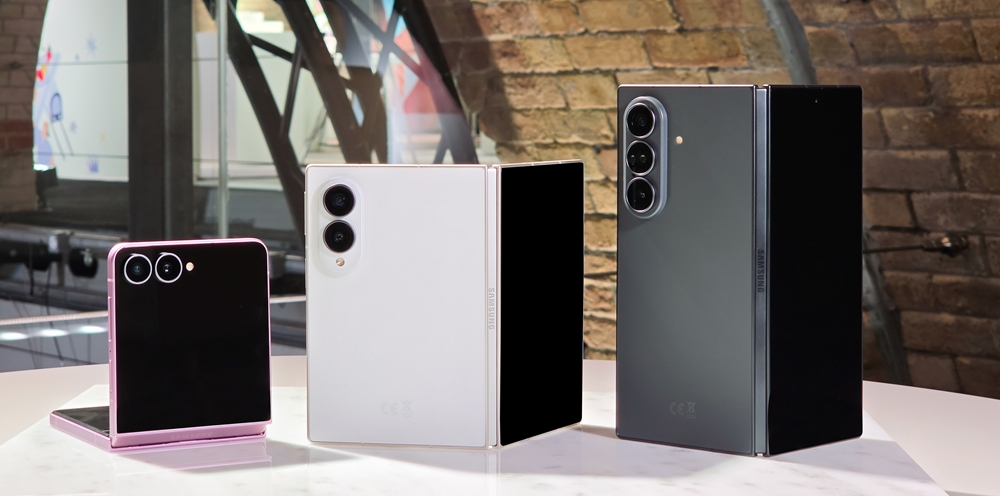
Samsung has unveiled the Galaxy Z Fold8 Ultra, Galaxy Z Fold8, and Galaxy Z Flip8 at Galaxy Unpacked 2026, introducing three distinct foldable smartphones powered by Galaxy AI. The lineup includes Samsung's first Ultra-branded foldable alongside a redesigned wider Galaxy Z Fold8 and an upgraded Galaxy Z Flip8 aimed at different types of users.
Samsung has officially expanded its foldable smartphone portfolio with the launch of the Galaxy Z Fold8 Ultra, Galaxy Z Fold8, and Galaxy Z Flip8 at Galaxy Unpacked 2026 in London. The company's eighth-generation foldables introduce three distinct form factors tailored to different users while placing Galaxy AI at the center of the experience.
The biggest announcement is the debut of the Galaxy Z Fold8 Ultra, marking the first Ultra-branded device in Samsung's foldable lineup. It joins the redesigned Galaxy Z Fold8 and the compact Galaxy Z Flip8, giving consumers more choice than ever before in Samsung's foldable range.
Three Foldables, Three Different Experiences
Samsung says the new Galaxy Z series has been designed to cater to different lifestyles rather than offering a one-size-fits-all approach.
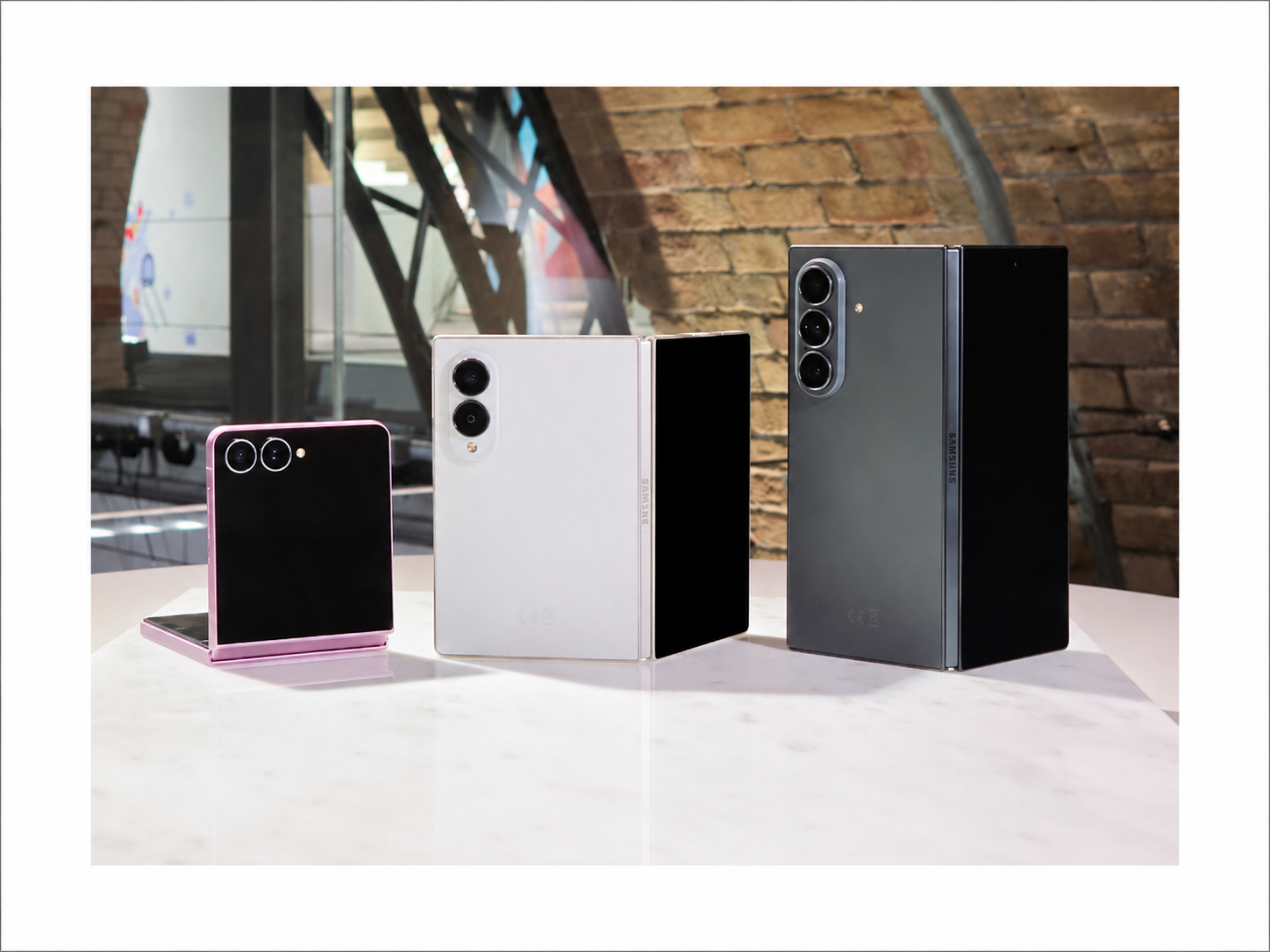
The Galaxy Z Fold8 Ultra is positioned as the company's flagship foldable for productivity and premium performance. It combines a large foldable display with Galaxy AI capabilities designed to enhance multitasking, creative workflows, and professional use.
Meanwhile, the Galaxy Z Fold8 adopts a significantly different design philosophy. Moving away from Samsung's traditional tall and narrow Fold design, the new Fold8 features a shorter, wider "passport-style" form factor. The redesign aims to make the cover display more practical for everyday use while retaining a large inner display for productivity and entertainment.
The Galaxy Z Flip8 continues Samsung's clamshell foldable strategy, targeting users who prioritize portability and style. Samsung says the Flip8 combines a compact design with upgraded Galaxy AI features and improved usability through its external display.
Galaxy AI Takes Center Stage
Artificial intelligence remains the biggest focus across Samsung's latest smartphones.
According to the company, the new foldables combine "agentic AI" with foldable hardware to create experiences that adapt to how users work, create, and communicate. Galaxy AI is deeply integrated across the lineup, taking advantage of the larger flexible displays to improve multitasking and productivity.
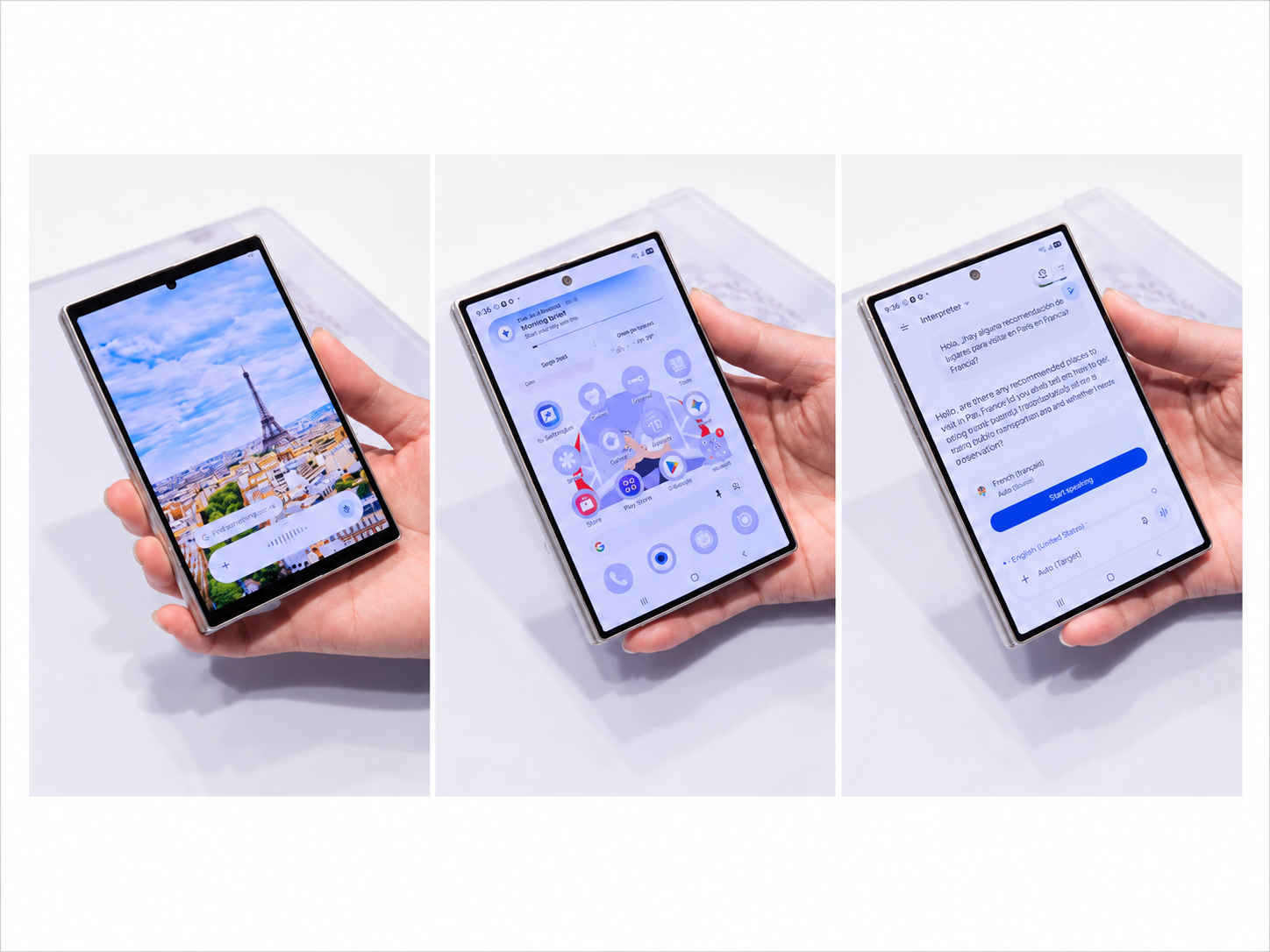
Samsung says the Fold8 Ultra is designed to maximize AI-assisted workflows, while the Fold8 and Flip8 also receive AI-powered enhancements tailored to their respective form factors.
Foldables Continue to Evolve
The introduction of the Galaxy Z Fold8 represents one of Samsung's biggest design changes since the original Galaxy Fold debuted in 2019. By adopting a wider outer display, Samsung appears to be addressing long-standing feedback that previous Fold models felt too narrow for everyday smartphone use.
The move also reflects a broader trend in the foldable smartphone market, where manufacturers are increasingly opting for wider cover displays that offer a more conventional smartphone experience.
At the same time, the Galaxy Z Fold8 Ultra is aimed at users seeking the most premium foldable experience, while the Galaxy Z Flip8 continues to appeal to buyers looking for a compact flagship that easily fits into a pocket.
A New Chapter for Samsung's Foldables
Samsung describes the new Galaxy Z lineup as the beginning of "a new chapter in foldables," with each model offering a distinct experience rather than simply different screen sizes. The company believes this broader portfolio will help make foldable smartphones more appealing to a wider range of consumers.
With three flagship foldables launching simultaneously, Samsung is betting that a more specialized lineup—rather than a single premium foldable—will help accelerate mainstream adoption of flexible-screen smartphones.