OpenAI Introduces ‘Dots’, AI Agents That Can Keep Working Without Constant Supervision
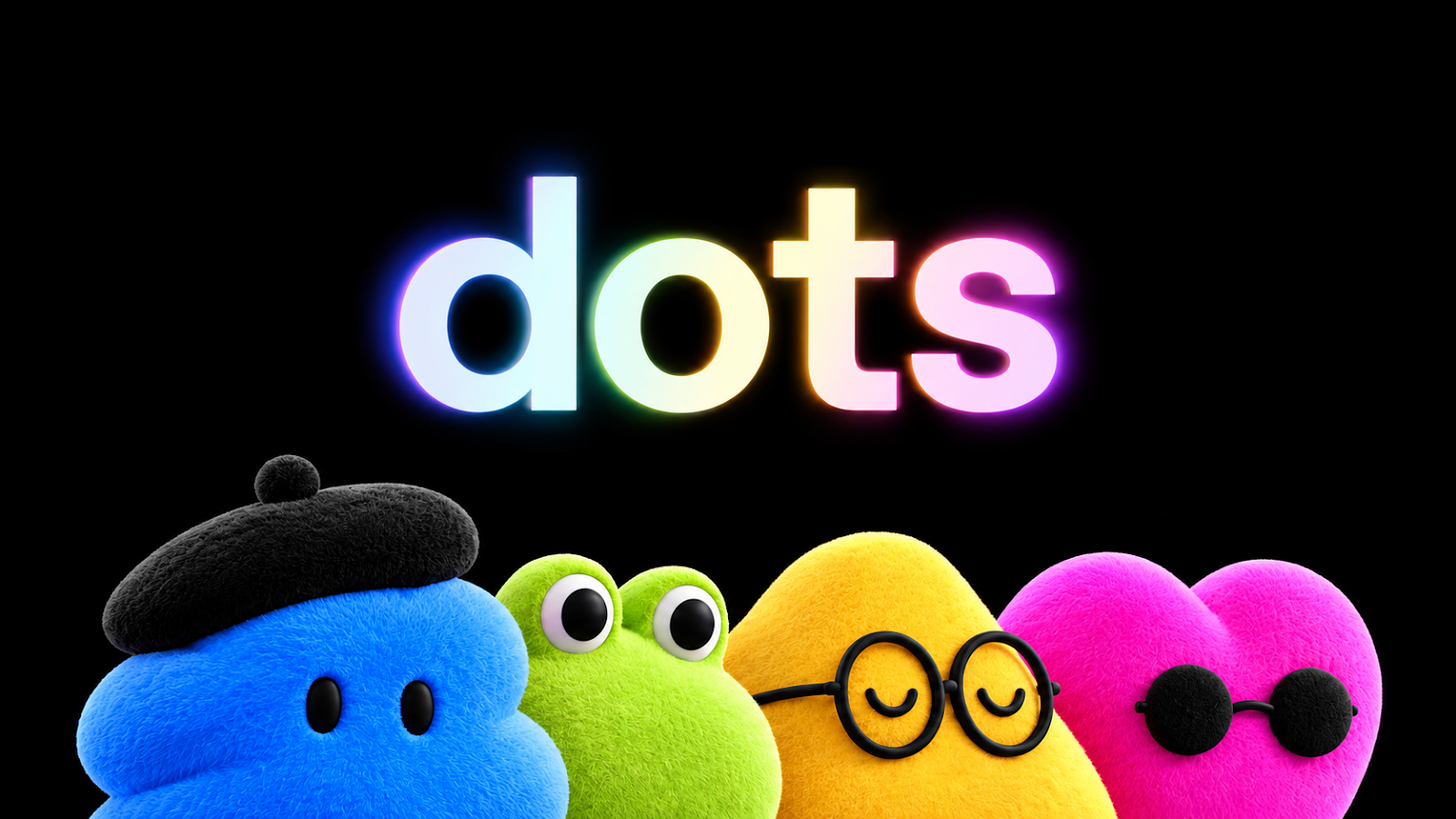
OpenAI has introduced Dots, AI agents designed to work autonomously on complex projects without constant user supervision. Unlike traditional chatbots, Dots can continue working in the background, handle multi-step tasks and return completed work for users to review.
OpenAI is taking another step toward autonomous AI agents with Dots, a new system designed to take on complex projects, continue working in the background and return with completed work without requiring users to direct every step.
Unlike traditional AI assistants, which generally wait for a prompt before responding, Dots are designed to be more proactive. Users can hand a Dot a project, continue working on other tasks and let the AI handle the work independently.
From Answering Questions To Doing The Work
OpenAI describes Dots as assistants that can work across multiple projects simultaneously. Users can continue feeding them new tasks and ideas while a Dot works through existing assignments.

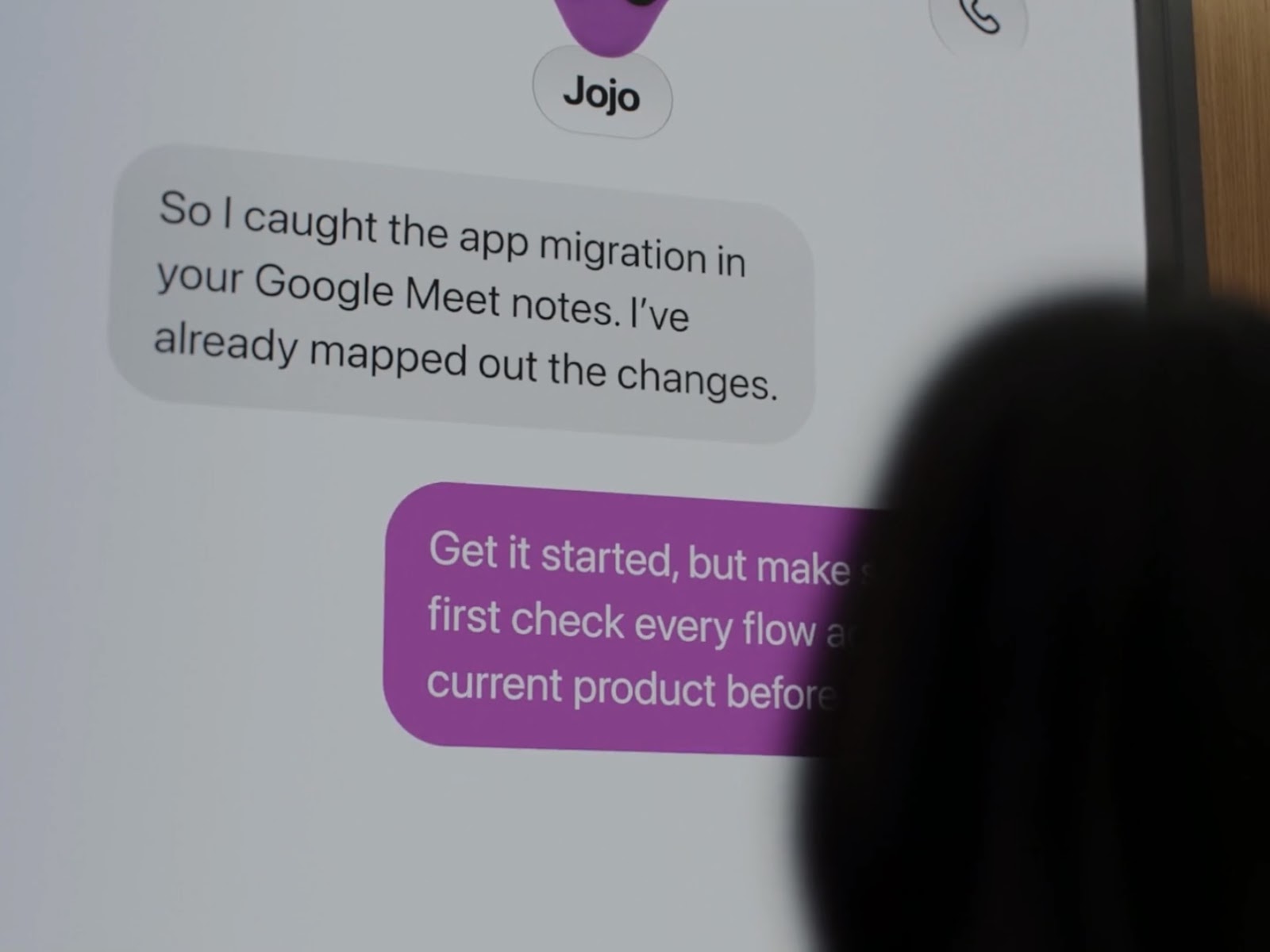
For developers, one example involves a Dot monitoring customer feedback for recurring requests, identifying smaller improvements and bug fixes, implementing those changes, testing them and eventually returning complete pull requests for review.
The system can also attach videos demonstrating the changes it has made.
That represents a significant change in how OpenAI sees AI assistants. Rather than simply generating an answer when asked, the AI can take responsibility for an entire workflow.
Dots Are Designed To Keep Working
A user’s first Dot is available as part of OpenAI’s Pro or Business Premium plan, at no additional cost. Dots are designed to remain available around the clock and continue working while users focus on other tasks.
The plans also include an allowance for deeper work, with extended limits during the first month after launch. Users will eventually be able to add more Dots and scale their output by increasing either their speed or the amount of work they can handle each month.
This points towards a model where users could potentially maintain several specialised AI workers rather than relying on a single chatbot.
OpenAI Is Also Building In Safeguards
Giving an AI system the ability to independently execute tasks introduces a different set of risks compared with a conventional chatbot.
OpenAI says Dots include security safeguards designed to defend against malicious instructions and monitor potentially harmful behaviour. If its monitoring systems detect a safety concern, a Dot can pause or stop its work.
The company has increasingly focused on these safeguards as its AI systems move towards handling longer, multi-step workflows.
Why Dots Matter
The launch reflects a broader shift underway across the AI industry: from generative AI that produces content to agentic AI that executes tasks.
For users, the difference could eventually be substantial. Instead of asking an AI to write code, research a topic or analyse customer feedback and then manually coordinate the next steps, an agent can potentially handle the workflow from start to finish.
OpenAI’s Dots are an early example of this approach, with the company positioning them as AI systems that can stay on a task even when the user has moved on to something else.
The bigger question now is not simply how intelligent AI can become, but how much work users are willing to hand over to it.