OpenAI Introduces ‘Dreaming’ Memory System to Make ChatGPT More Personalized and Context-Aware
ChatGPT’s latest memory upgrade aims to improve long-term personalization while reducing outdated or irrelevant memories.
OpenAI has unveiled a major upgrade to ChatGPT’s memory capabilities with the introduction of a new system called “Dreaming”, designed to help the AI better understand, organize, and recall information from previous conversations. The company says the update will make ChatGPT more useful, personalized, and context-aware over time.
The new memory architecture enables ChatGPT to synthesize information gathered across past interactions into a more coherent and up-to-date understanding of a user. Instead of relying solely on manually saved memories or recent chat history, the Dreaming system periodically reviews past conversations to identify preferences, goals, and recurring details that remain relevant while discarding information that may no longer be useful.
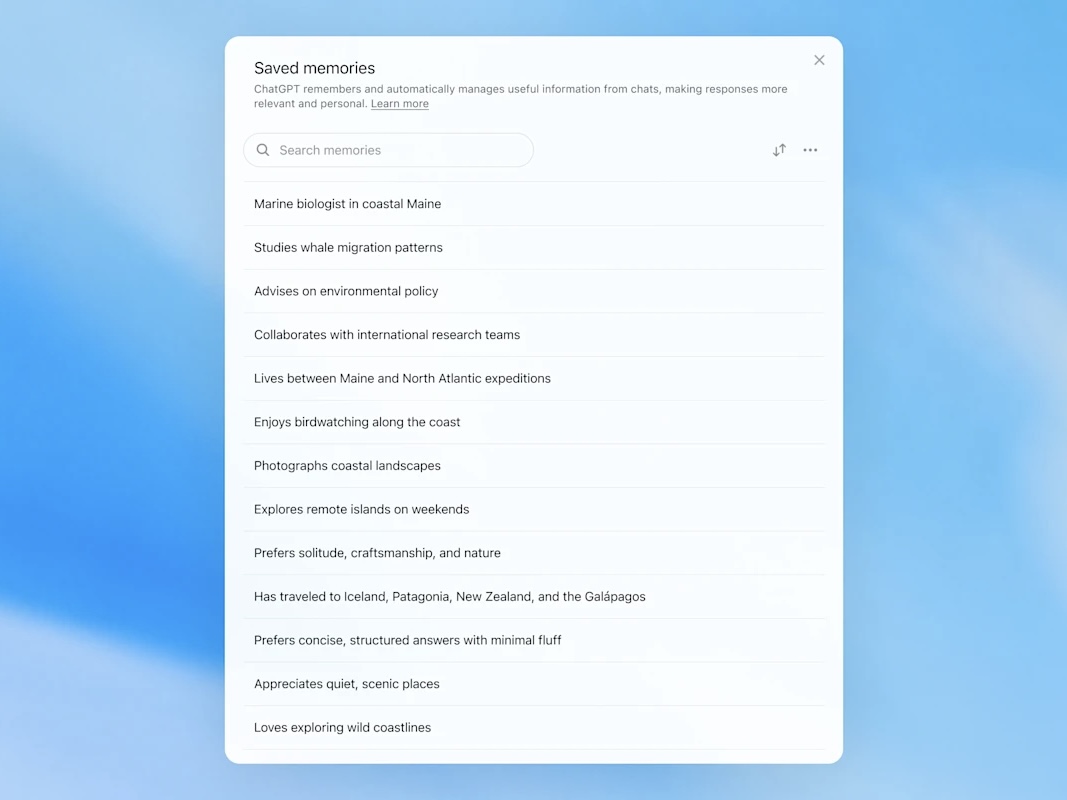
According to OpenAI, this approach helps address one of the biggest challenges in AI personalization: ensuring that remembered information stays current. For example, if a user mentions dietary preferences, writing styles, or ongoing projects across multiple chats, ChatGPT can build a richer understanding of those details and apply them more effectively in future conversations.
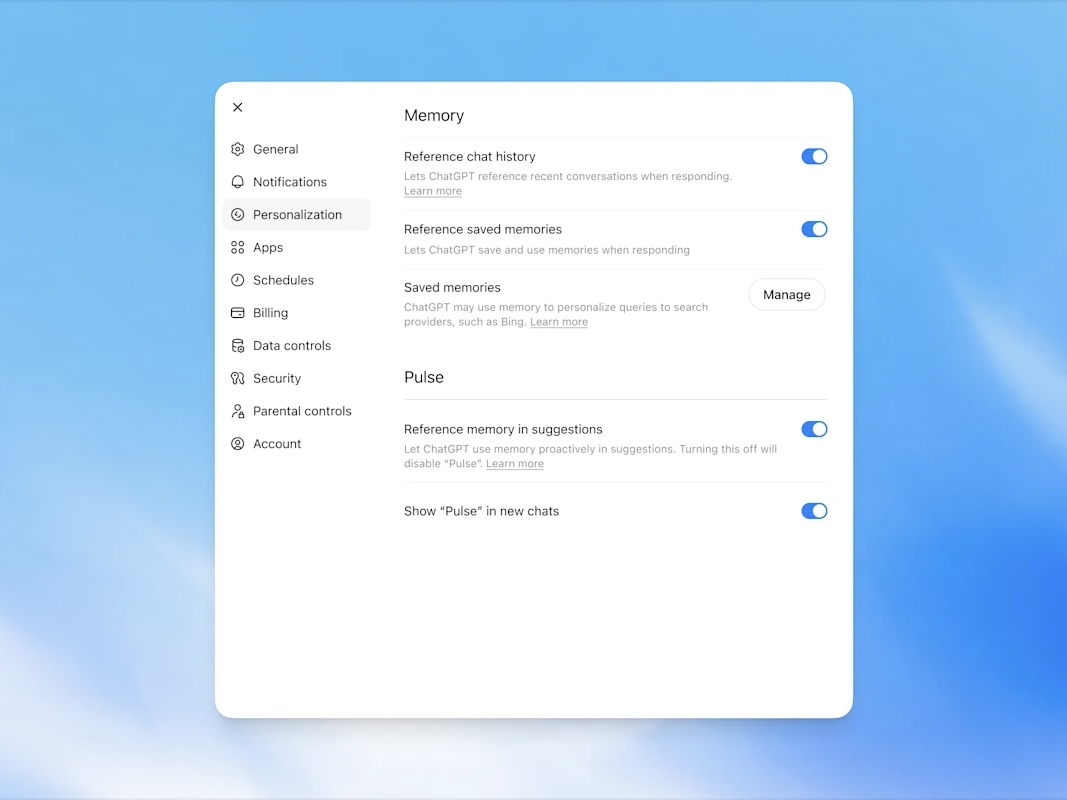
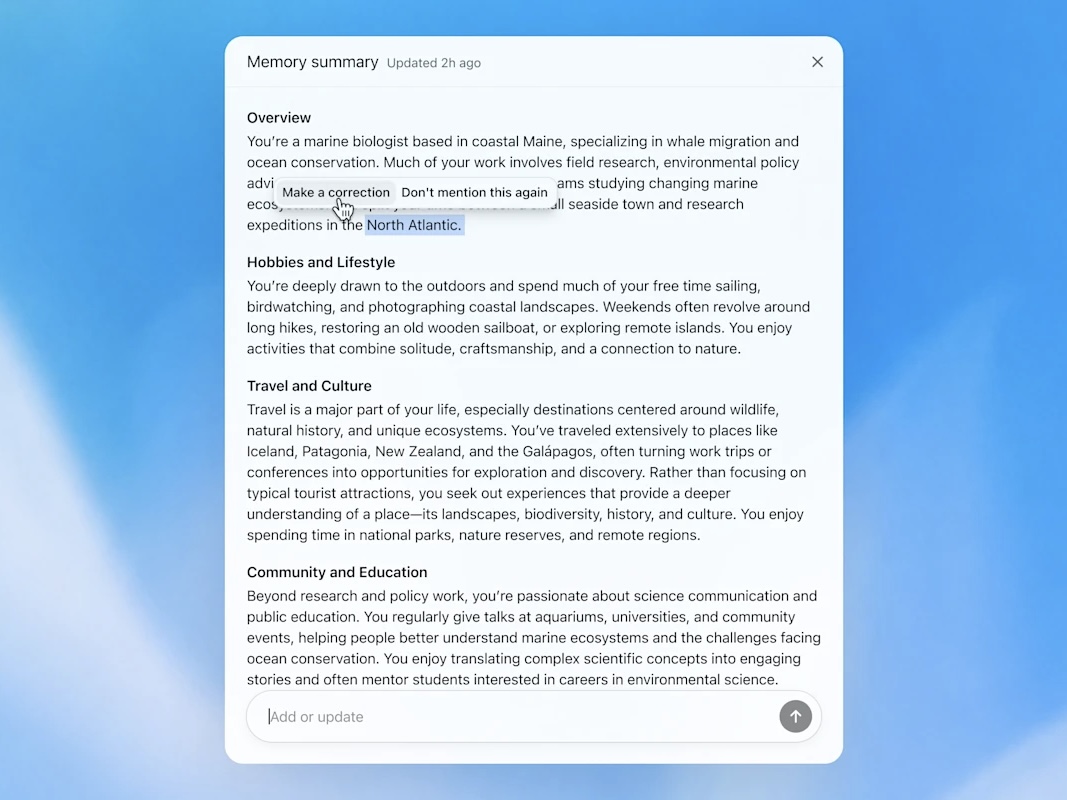
OpenAI claims the new system significantly improves the model’s ability to recall relevant information and follow user preferences. The company has also introduced new transparency features, including a memory summary page that allows users to review, edit, and manage what ChatGPT remembers about them. Users remain in control and can disable memory features entirely or use Temporary Chats that do not contribute to memory.
The rollout begins with ChatGPT Plus and Pro users in the United States, with broader availability expected in the coming weeks. OpenAI says the update establishes a shared memory foundation that will eventually be available across its user base as compute efficiency improves.
The announcement marks the latest step in OpenAI’s broader effort to transform ChatGPT from a session-based chatbot into a more persistent AI assistant that can understand users over extended periods. Memory has been a key focus area for the company since its initial rollout in 2024 and subsequent upgrades that allowed ChatGPT to reference previous conversations.
As AI assistants become increasingly personalized, memory systems are emerging as a critical differentiator. With Dreaming, OpenAI is betting that smarter, more dynamic memory management can make AI interactions feel less transactional and more like working with an assistant that genuinely understands the user over time.