OpenAI has launched ChatGPT for Teens in India, bringing stronger safety protections and learning-focused features for users aged 13 to 17. The new experience includes Study Mode, quizzes, learning visualisations and parental controls, while adding additional safeguards around high-risk content. The company also unveiled a Parents’ Guide to Learning with ChatGPT at an event in Mumbai.
OpenAI has introduced ChatGPT for Teens, a new experience designed specifically for users aged 13 to 17, combining AI-powered learning tools with stronger age-appropriate safety protections. The company made the announcement in Mumbai on August 18.
OpenAI is making a bigger push into AI for younger users with the launch of ChatGPT for Teens. The new experience is designed to help teenagers learn, think critically and explore AI, while adding additional safeguards for areas that may pose higher risks to young users. According to OpenAI, users who are identified as being under 18, or who state that they are between 13 and 17, will automatically be placed into the ChatGPT for Teens experience.
The experience brings several learning-focused features together. These include Study Mode, which uses guiding questions and step-by-step assistance rather than simply providing answers; Responsible Homework Reminders, which encourage collaborative problem-solving instead of shortcuts; and Quizzes and Learning Visualizations aimed at helping teenagers practise and better understand concepts. OpenAI is also introducing Study Hours, allowing teens or their parents to specify periods when Study Mode is enabled by default.
Safety is another major focus of the new experience. OpenAI says ChatGPT for Teens will have stronger protections enabled by default around areas including self-harm, violence, eating disorders, dangerous activities, and sexually explicit or graphic content. Parents who have linked their teen’s account will also be able to use Parental Controls to manage selected settings, configure Quiet Hours, and receive safety notifications in limited high-risk situations. Teenagers will additionally receive more frequent reminders to take breaks during extended use.
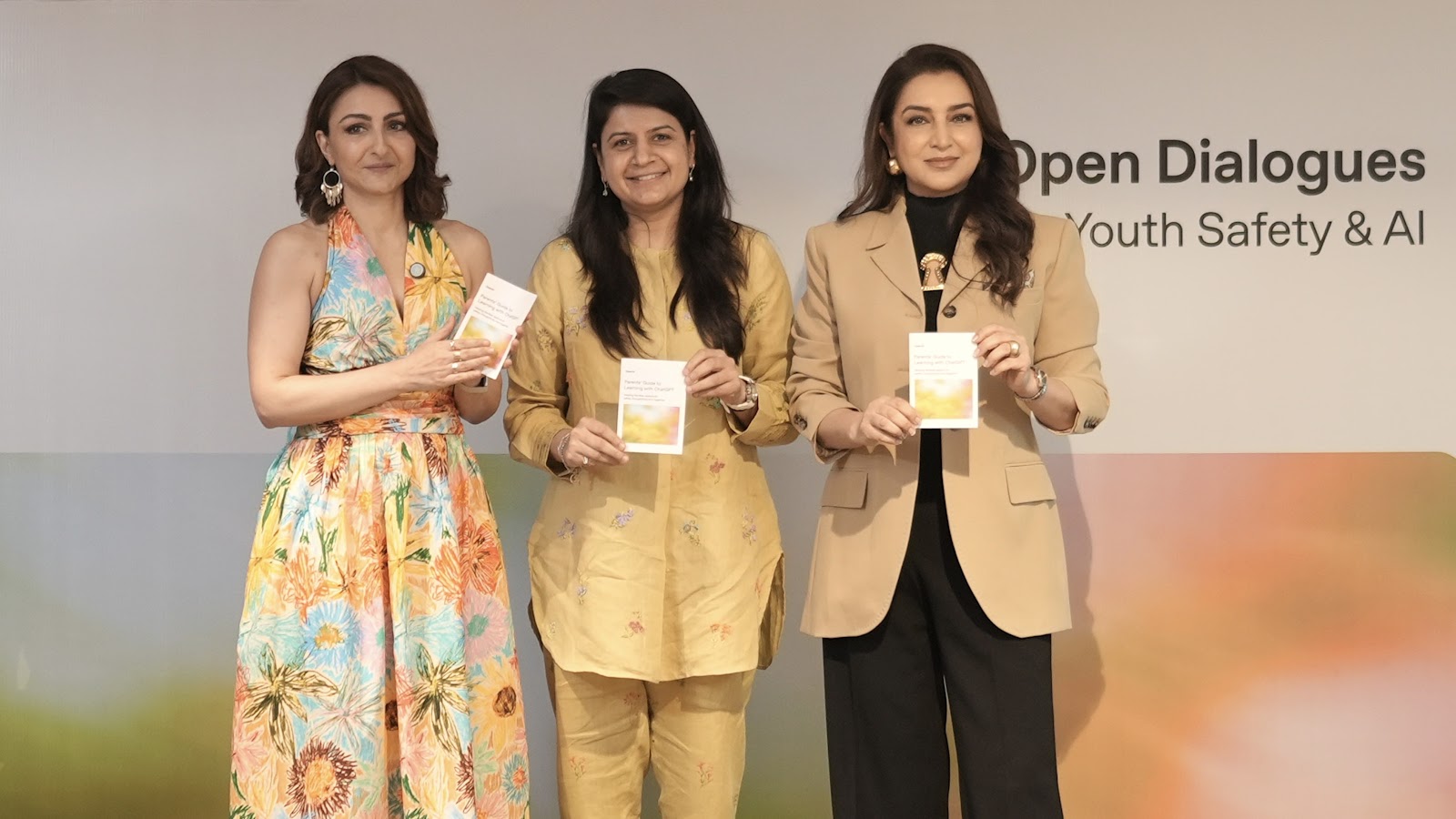
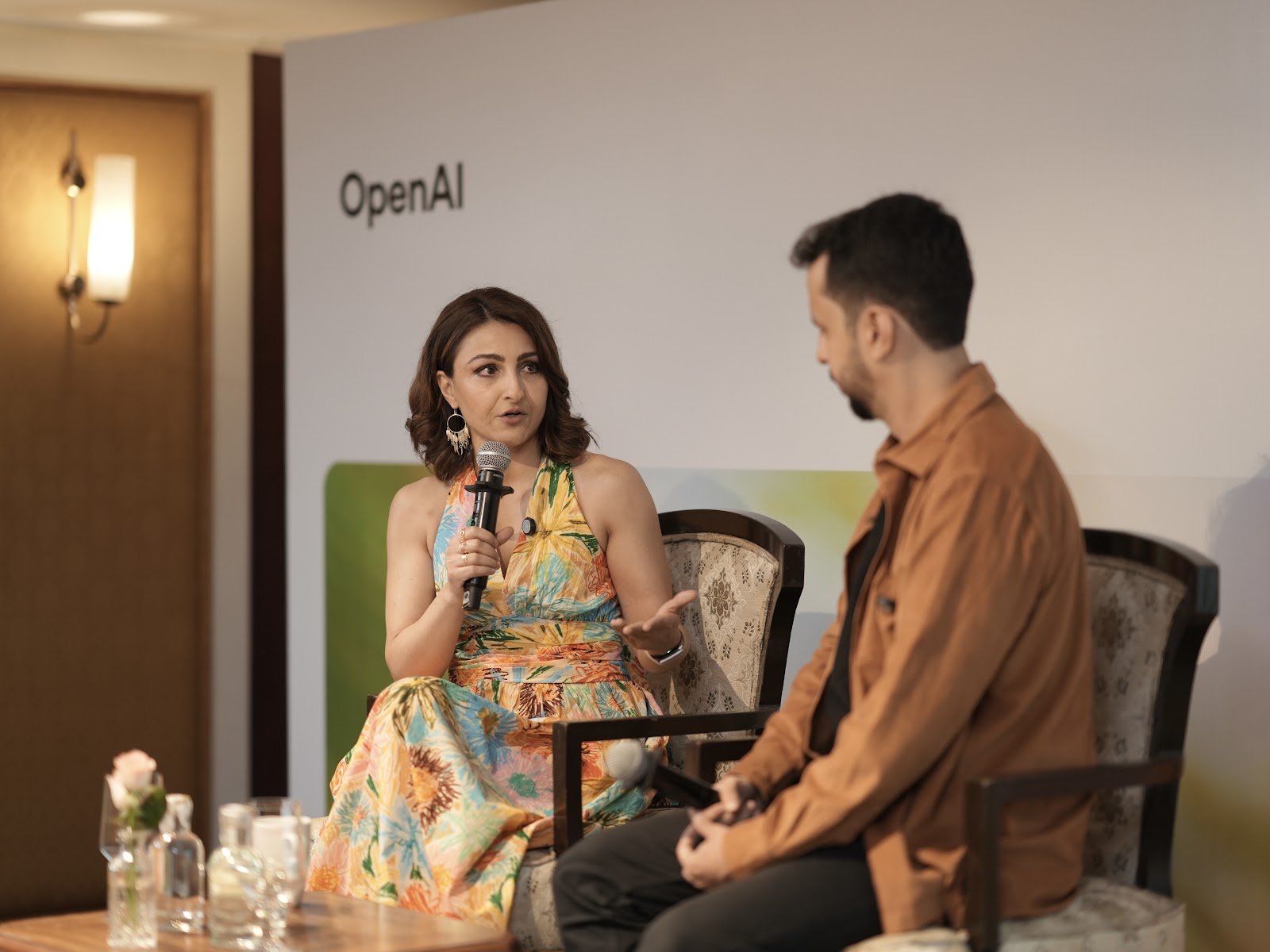
Alongside the launch, OpenAI hosted Open Dialogues on Youth Safety and AI in Mumbai, bringing together parents, educators and public voices to discuss responsible AI use among young people. Actors and authors Soha Ali Khan and Tisca Chopra shared their experiences of navigating AI as parents at the event. OpenAI also launched a pocketbook titled Parents’ Guide to Learning with ChatGPT, which is designed to help parents understand the new teen experience, set up parental controls, support learning and develop healthier AI habits at home.
The launch reflects a growing challenge for AI companies: making powerful generative AI tools accessible to younger users without leaving safety and parental oversight behind. OpenAI says its approach is aimed at giving teenagers opportunities to learn and create with AI while ensuring that parents and educators remain involved in how the technology is used.
With ChatGPT increasingly becoming part of how students research, learn and create, ChatGPT for Teens could represent an important shift in how AI assistants are designed for younger audiences. Instead of treating safety as a separate layer, OpenAI is combining learning features, usage controls and age-appropriate protections into a dedicated experience for teenagers.